
Have you ever gone down a rabbit hole of fascinating trivia, only to surface hours later full of knowledge about the world’s quirks? We’ve done just that and returned with a dozen mind-bending facts to make you the star of your next dinner party or virtual chat.
From the wonders of the human body to the secrets of our natural world, these tidbits are all about celebrating curiosity. Get ready to be amazed.
- Your Newest Nephew Has a Scramble of Bones You Don’t
 That squishy, adorable newborn baby has a skeleton built for flexibility. While you have 206 bones, a newborn has around 275 to 300. This is because many of their “bones,” like those in the skull, start as soft, rubbery cartilage. This allows them to curl up before birth and navigate the journey into the world. As they grow, this cartilage hardens in a process called ossification, and several smaller bones fuse together into larger, stronger ones—like the five major skull bones knitting into a solid cranium, closing the soft spot on their head.
- You Can Post a Letter from Under the Sea in the South Pacific
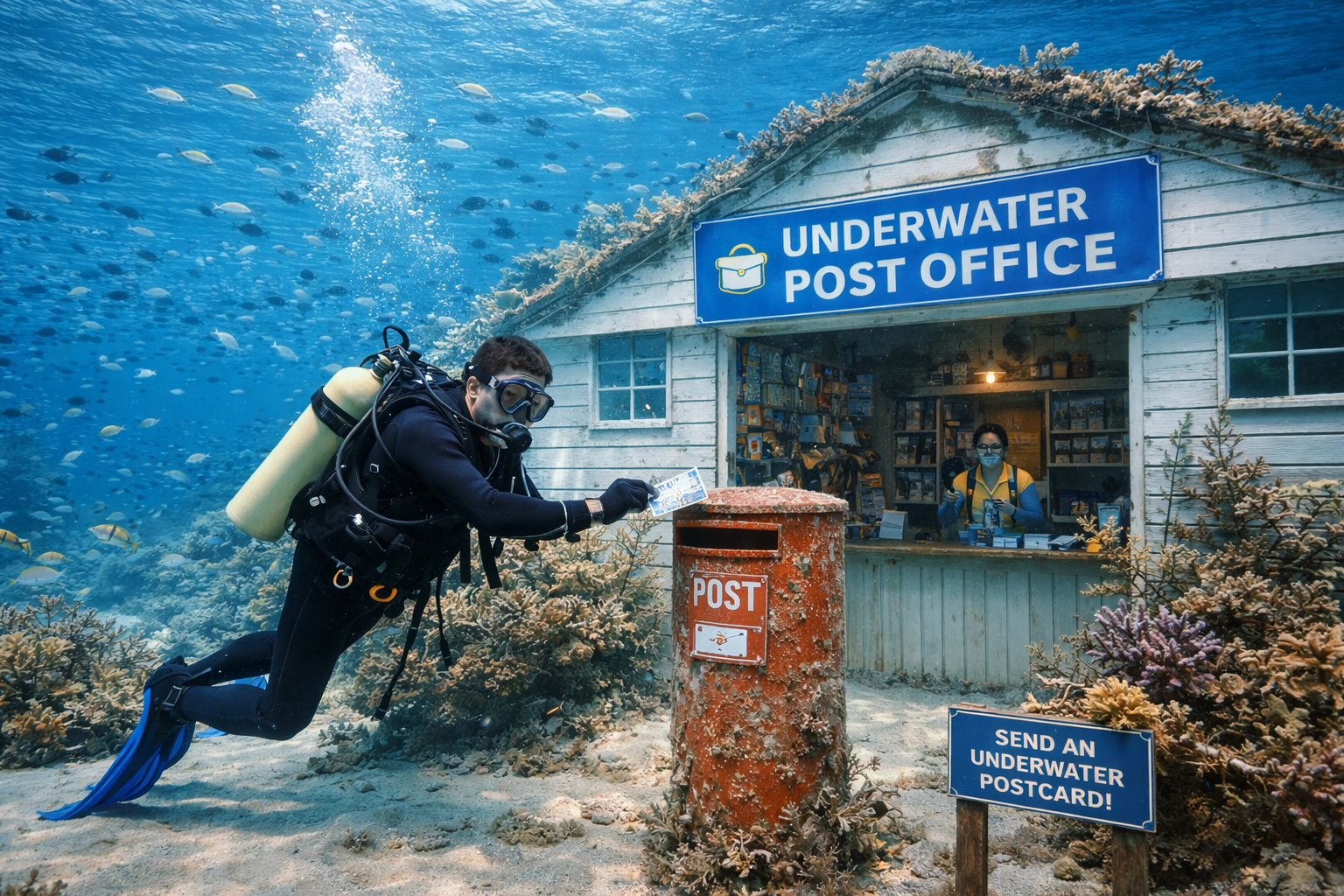 Forget roadside mailboxes. In the crystal-clear waters of Vanuatu’s Hideaway Island Marine Sanctuary, you’ll find the world’s only official underwater post office. Established in 2003 by Vanuatu Post, this unique outpost sits about three metres below the surface. Snorkellers and divers can hand waterproof postcards directly to postal workers during opening hours—signalled by a special flag on the water’s surface—to receive a special embossed cancellation. Out of hours, you can simply drop your card in the subsea post box. Talk about a message that makes a splash!
- The Caesar Salad is a (Delicious) Accident from Mexico
 Despite its Roman name, this iconic salad was born not in Italy, but in Tijuana, Mexico. The story goes that on a busy U.S. Independence Day in 1924, restaurateur Caesar Cardini was overwhelmed at his restaurant, Caesar’s Place. With supplies running low for the influx of American patrons, he improvised with what he had: romaine lettuce, garlic, oil, eggs, Parmesan, lemon, and Worcestershire sauce. He tossed it dramatically tableside, and a star was born. So, next time you order a Caesar, you’re tasting a piece of Prohibition-era culinary ingenuity.
- Your Body Plays a Game of Morning Stretch and Evening Shrink
 Here’s a fact to measure yourself by: you are taller in the morning than at night. Over the course of a day, the soft cartilage discs between the vertebrae in your spine compress under gravity’s pull. When you lie down to sleep, these discs rehydrate and expand. Studies have shown this daily height variation can be as much as 1-2 centimetres, with most of the height loss occurring within the first few hours of being upright. It’s your skeleton’s daily ebb and flow!
- Honey Can Truly Last Forever
 It’s the original superfood with an incredible shelf-life. When stored in a sealed container, honey’s unique properties—its low moisture content, high acidity, and natural antibacterial hydrogen peroxide—make it virtually immortal. Archaeologists have famously discovered pots of honey in ancient Egyptian tombs that are still perfectly edible after thousands of years. It may crystallise over time, but a gentle warm bath will return it to its golden, liquid state.
- In the Air, Pilots and Co-Pilots Eat by Different Menus
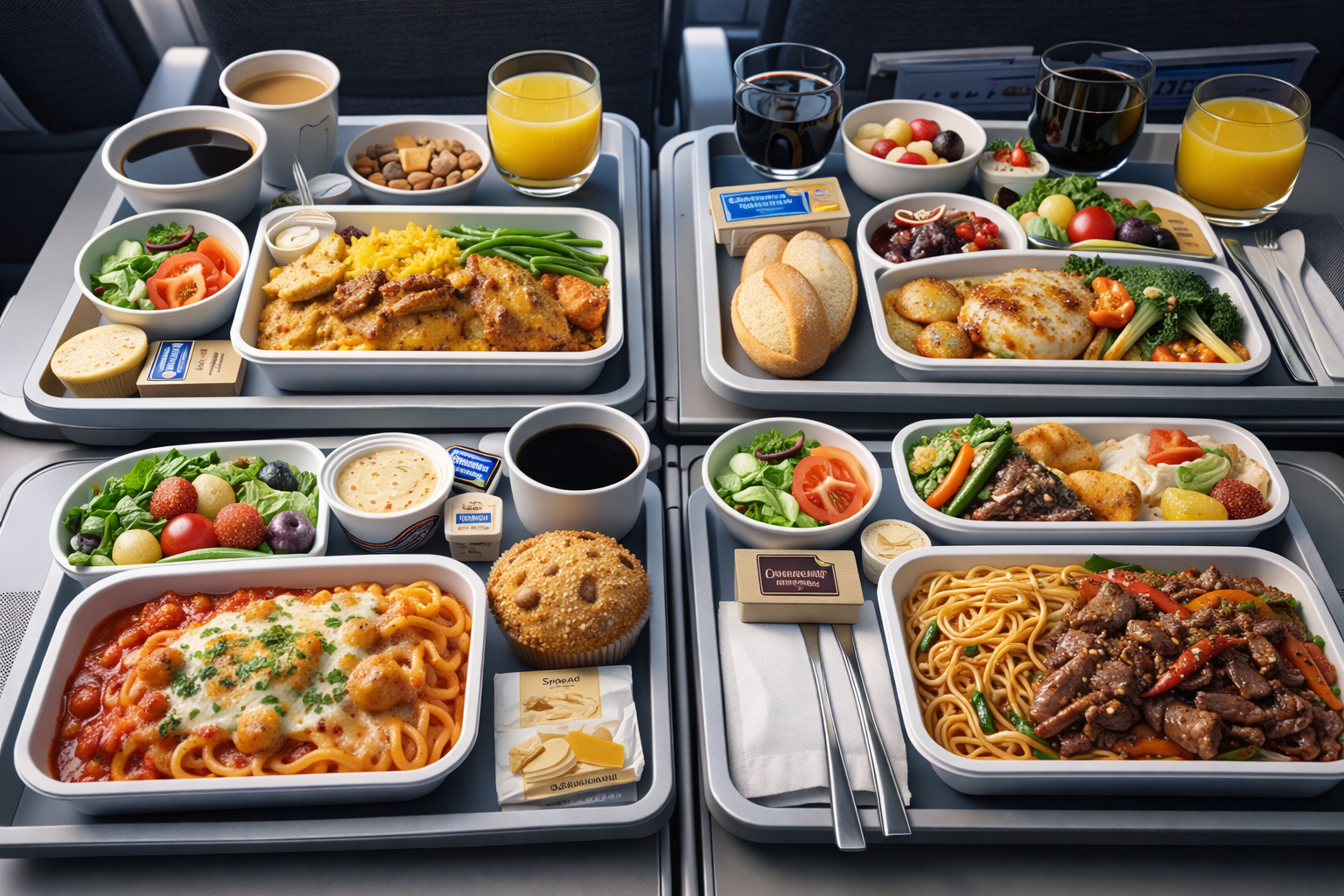 It’s a little-known airline safety protocol designed to avoid a worst-case scenario: both pilots being incapacitated. On most commercial flights, the captain and first officer are served different meals. This ensures that if one meal were to cause food poisoning, the other pilot would remain fit to fly the plane. It’s a simple, clever rule that adds a layer of security to your journey, and it might make you think twice before sharing your in-flight snack with your travel buddy!
- Scotland’s Fierce National Animal is… a Unicorn
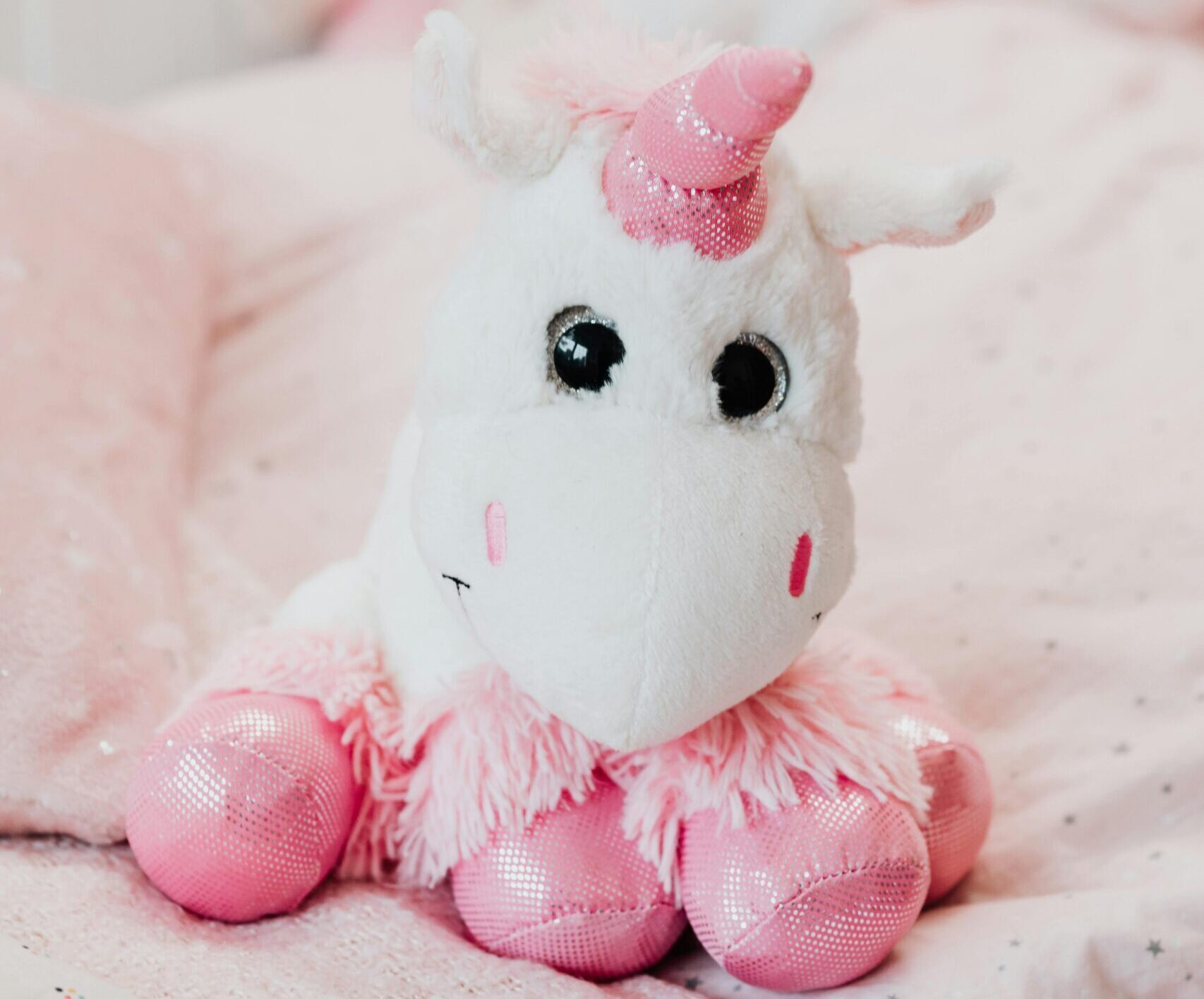 While other nations choose eagles or lions, Scotland proudly claims a mythical beast: the unicorn. This has been a symbol of Scottish royalty since the 12th century, appearing on coats of arms and gold coins. One popular theory suggests the Scots chose the unicorn because it was considered the natural enemy of the lion, the symbol of England. The creature is so beloved that Scotland even celebrates National Unicorn Day every April 9th.
- Your Tongue is as Unique as Your Fingerprint
 Biometric security could one day involve sticking out your tongue. Research has indicated that each person’s tongue has a unique “tongue print”—distinct in its shape, surface texture, and the patterns of its papillae (those tiny bumps). Even identical twins have different tongues. While not yet widely used, this uniqueness has been studied for its potential applications in forensic science and secure identification.
- Flamingos Are Painted by Their Dinner Plates
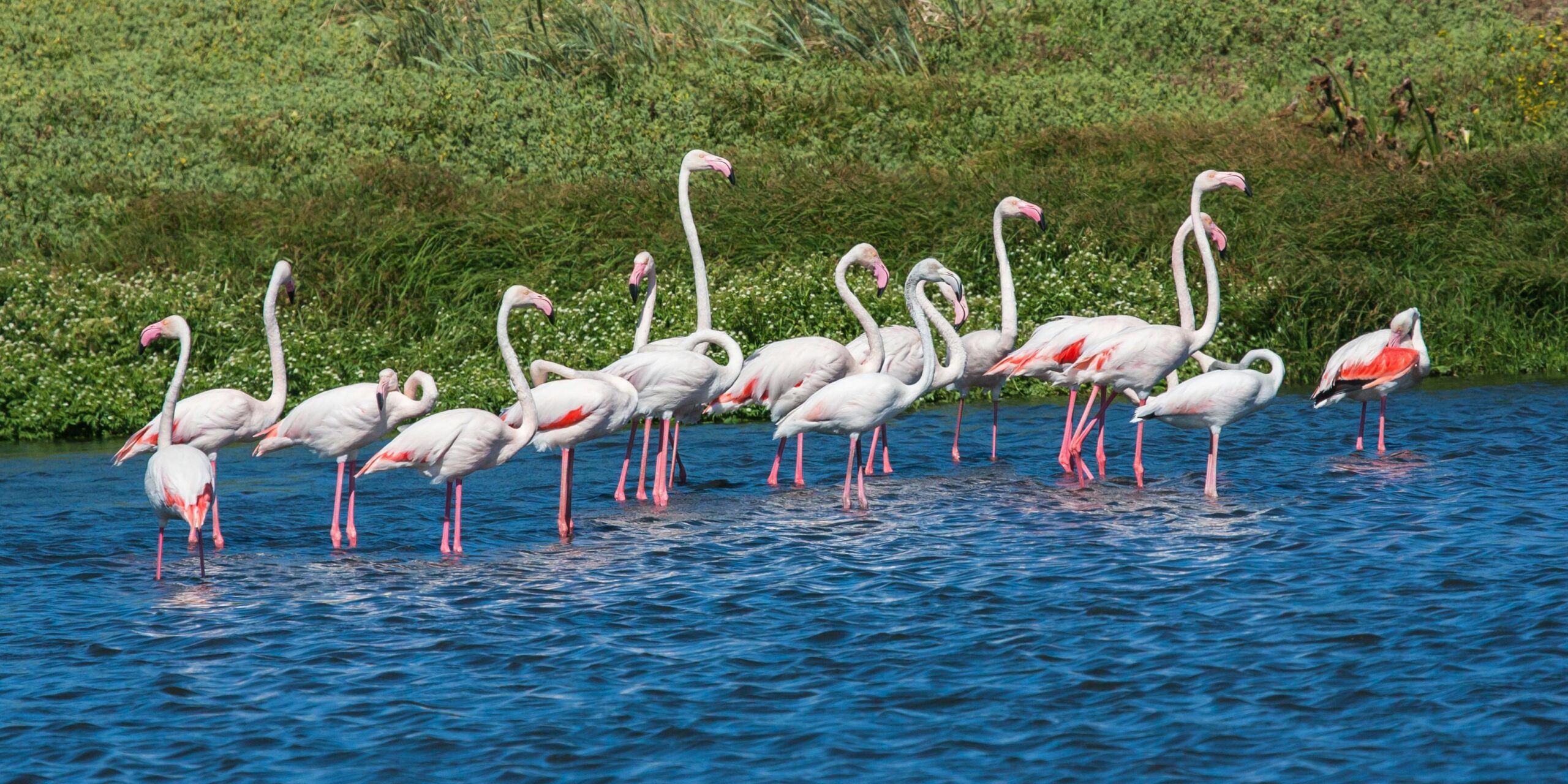 Flamingos aren’t born pink; they’re born with dull grey feathers. Their iconic colour comes directly from their diet of brine shrimp and algae, which are rich in natural red and orange pigments called carotenoids. Their livers break down these pigments, which are then deposited into their growing feathers, beaks, and legs. A flamingo on a bland diet would gradually fade to white, which is why zoos often add carotenoid supplements to their feed. You truly are what you eat!
- The Humble Tea Bag Was Born from a Happy Accident
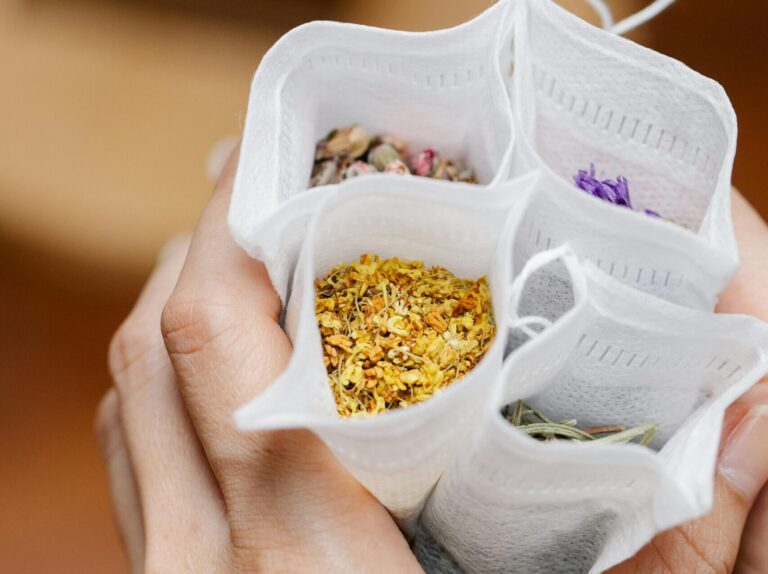
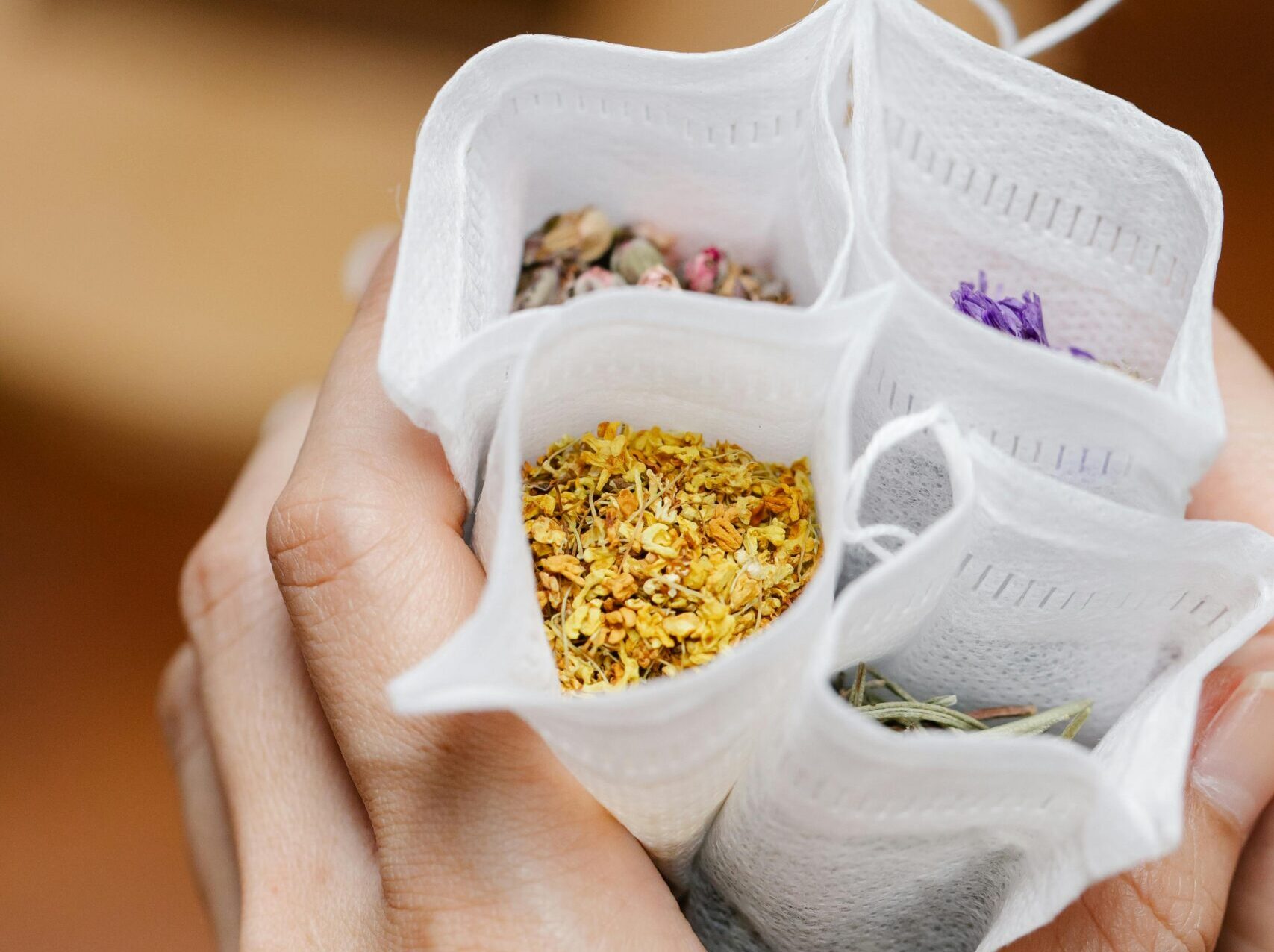 The tea bag is a quintessential convenience, and its invention was a delightful mistake. Around 1908, a New York tea merchant named Thomas Sullivan began sending samples to customers in small silk bags. Instead of emptying the leaves out, some customers mistakenly steeped the entire bag. They loved the convenience, and when they complained the silk mesh was too fine, Sullivan created the first purpose-made gauze bags. An American innovation, it took time to catch on elsewhere, but it eventually revolutionised how the world brews a cuppa.
- Cranberries Can Bounce Like a Ball
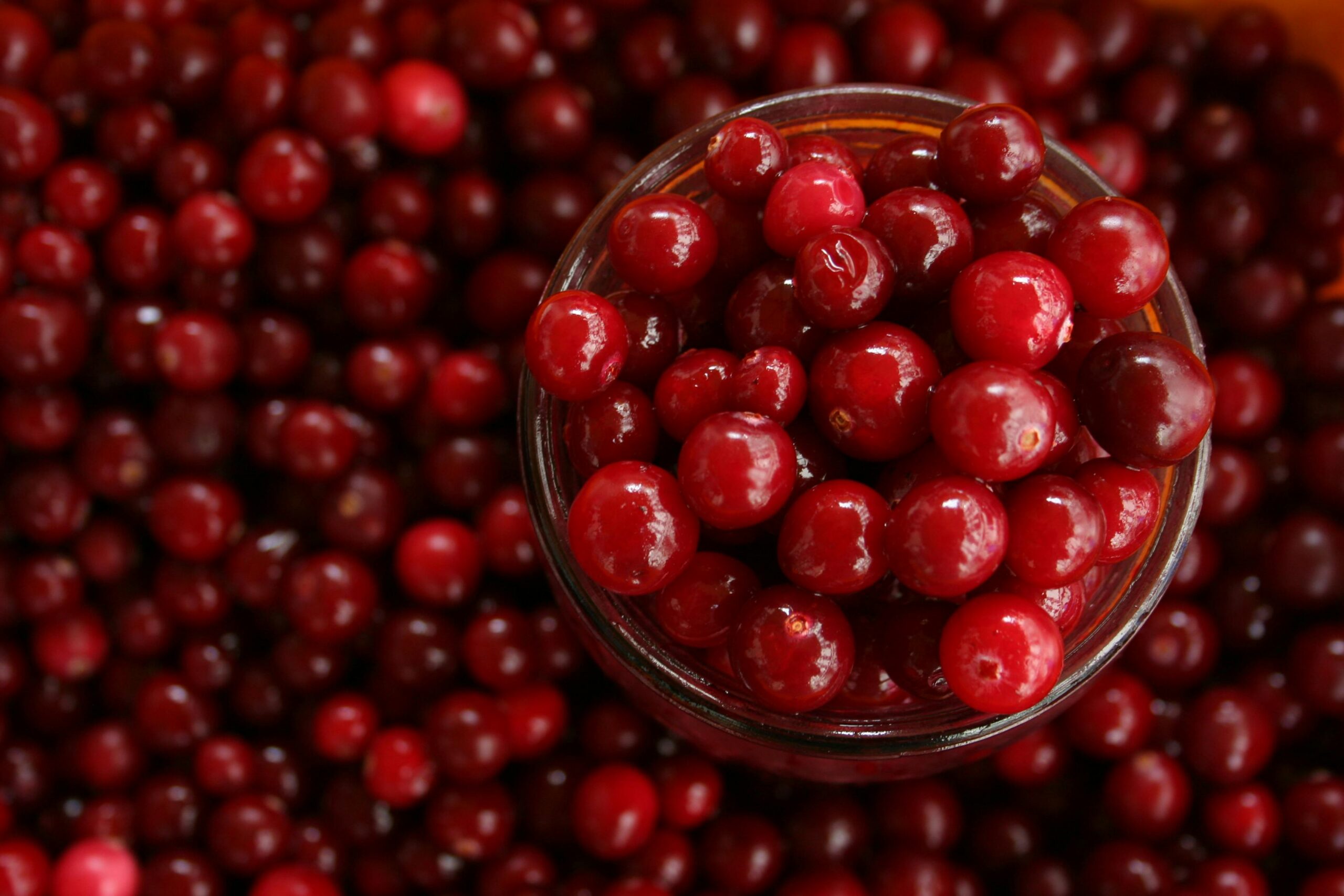 This isn’t just a party trick; it’s a quality test for farmers. The small, round cranberry has four internal air pockets. These pockets allow the berries to float during harvest (which is done by flooding the bogs) and also give them the ability to bounce when dropped. In fact, the “bounce test” was traditionally used to sort firm, fresh berries from soft, spoiled ones. If it bounces, it’s good to go!
- And Finally, From Across the Ditch…
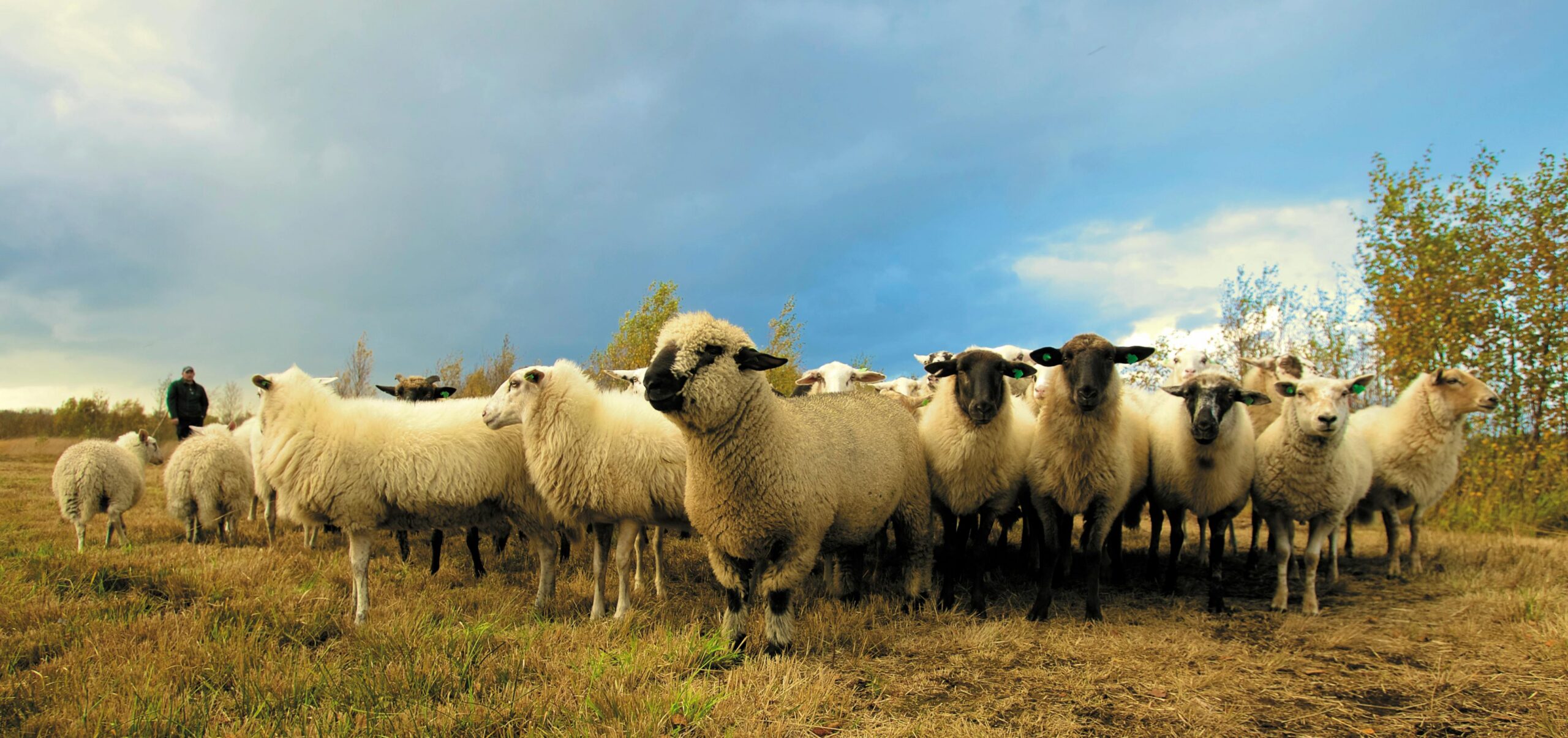 New Zealand have a famous statistic that never fails to amuse: the country is home to far more sheep than people. With a sheep population in the multi-millions comfortably outstripping the human population, the ratio works out to several woolly friends for every Kiwi. It’s a charming reminder of the nation’s rich agricultural heart.