


Adopting a cat or kitten brings immeasurable joy, love, and laughter into your life. Choosing the right cat for your household and then getting everything you need before they move in can make their arrival even more meowgical. Here are some pointers on what to consider when choosing your new furry family member and how to properly prepare a cat-friendly home.
Your household and lifestyle
Think about what the ideal age, energy level, and temperament of a cat you would like to share your home with. Are you home a lot, or would you like a more independent cat? Is your household quiet and peaceful or noisy and bustling? These types of questions will help you decide whether a bashful senior cat might be the best fit or whether a confident kitten would suit your home. A confident kitten could be a great addition if there are kids or teens in the mix who want to shower them with attention. Whereas an anxious, shy cat may not be a good fit for a household with boisterous young kids or an excitable dog but could be the perfect companion for a single adult, older family, or quieter household.

 Your schedule and routine
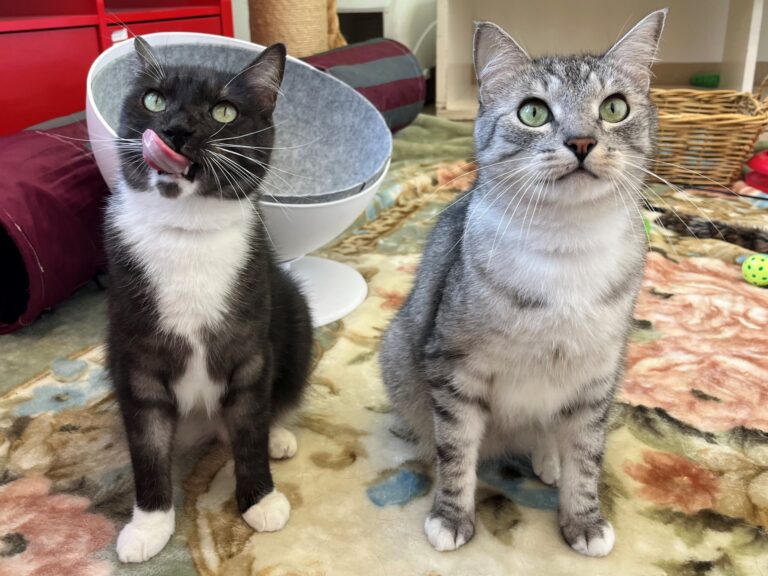
If you and any other adults in the house leave for work five days a week, a single kitten will be lonely. If you don’t have other animals at home and are out during the day, consider an older more independent cat who will nap the day away and then welcome you home with purrs and love in the evening. If you have your heart set on a younger cat or kitten … why not adopt a bonded pair? They will be able to keep one another company when you’re not at home and you’ll get double the cuddles!
A quiet retreat
Particularly if you have young kids or other animals at home, ensure there’s a quiet space set up where your cat or kitten has everything they need – a cosy bed, food and water bowls, a litter tray, toys, etc. Even if you are adopting a confident cat or kitten, the transition may be overwhelming at first and they’ll need somewhere quiet to retreat to. Also make sure you have established how you will allow for gradual introductions to other animals. For information on introducing cats to other pets, specifically dogs, check out the Cat Protection Society Factsheet: Creating happy homes for cats and dogs.
 Safe and secure
Before you welcome home your new cat, ensure all flyscreens are intact and can’t be pushed out of the window frame. Also block off small spaces so they can’t squeeze in to hide and then end up getting trapped. If you’re planning to let your cat have outdoor access, plan for how you will contain and supervise them. Check out Catnets for great cat enclosure ideas, from a whole secure yard to a window seat where they can catch the breeze. Remember that new places, people, and pets can be very daunting for your new forever friend, so don’t rush it, and make sure they are strictly indoors for the first couple of months while they get used to their new life and home.
Parasite prevention
Fleas, ticks, ear mites, worms: these are some nasties our cats can pick up from the great outdoors or one another. But don’t panic, these days it’s easy to use a spot-on treatment or tablet as preventatives. Indoor cats should also be treated, as we can track dirt in on our shoes or fleas on our clothing … even if it’s unbeknownst to us! Mark your calendar when their next treatment is due so you never forget. And remember, as your cat grows their weight changes, which could affect the dosage needed for the treatment to be effective. Want to learn more about parasite prevention for cats? There’s a bunch of useful info in Cat Protection’s Factsheet: Flea and worms.
Quality food
Diet is a key player in keeping your cat happy and healthy! Premium brands have specifically formulated wet and dry foods to suit cats of different ages, breeds, medical conditions, and tastebuds (for those picky eaters). It’s also very important to always have clean, fresh water available to your cat – at least two sources – and multiple litter trays for them to do their business. If you have any concerns about their diet or tummy, chat to your vet who will be able to recommend the right food for your cat. Cats should have a yearly checkup at the vet, or twice a year for seniors, to ensure they’re in tip-top shape.

 A life of enrichment
Cats need the opportunity to exhibit natural behaviours, such as stretching, scratching, climbing up high, eating fresh greenery, and playing. A cat scratcher, potted fresh cat grass, a cat tree, and a variety of toys should be available to them. If you’re adopting a kitten, they’ll need lots of playtime with you (which is so much fun!), but even senior cats love to play too, and you should dedicate at least ten minutes a day to play with them. You’ll soon figure out their activity of choice, whether it’s darting around for a wand toy or chasing a ping pong ball down the hallway. Catnip-infused or stuffed toys can add to the fun, but kittens generally don’t react to catnip until they’re over six months old.
Rescue groups and shelters always have many kittens, teens, adults, and golden oldies to choose from and should be able to recommend cats or kittens that will be the best potential matches for you. No matter what state or territory you live in, you’re sure to find the purrrfect fit for your home. Now you’re all prepared to welcome your new furry friend and soak up all the purrs!
For more information on preparing for your new feline friend read Cat Protection’s Your New Cat booklet or for general advice on cat care and everything feline, call the Cat Protection Society of NSW on 02 9519 7201 or visit catprotection.org.au