


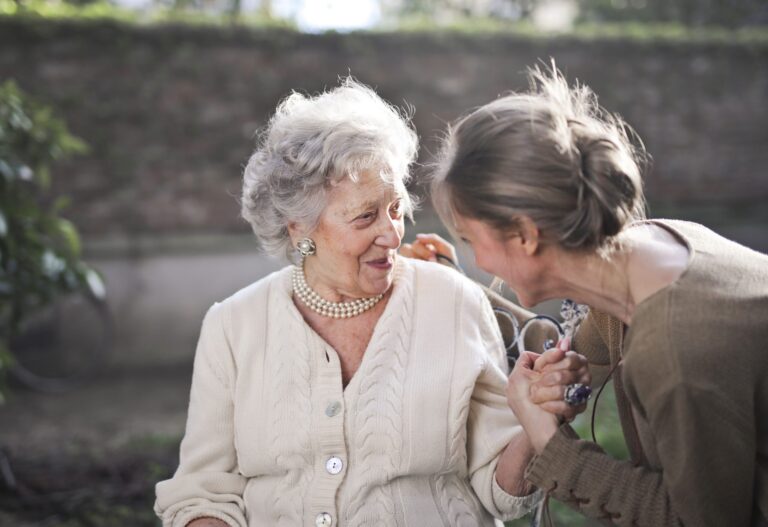
Understanding the emotional landscape of ageing is one of the most valuable things a family can do. It shapes how we communicate, how we make decisions together, and ultimately how well our loved ones feel supported through one of life’s most significant transitions.
Why Emotional Wellbeing Matters More Than We Think
There’s a tendency to focus on the physical aspects of ageing: mobility, medication, medical appointments, and day-to-day care needs. These things are important, of course. But emotional and psychological wellbeing is just as critical to quality of life, and it’s often the piece that gets the least attention.
Research consistently shows that older adults who feel emotionally supported, connected, and heard have better health outcomes overall. Loneliness and untreated anxiety or depression in older people can contribute to physical decline, cognitive deterioration, and a reduced will to engage with life. Getting the emotional side right isn’t a luxury; it’s a fundamental part of good care.
If you’ve noticed signs of persistent low mood, withdrawal, increased anxiety, or significant changes in behaviour in an older family member, it may be worth seeking professional support. A qualified psychologist can help older adults process grief, life transitions, identity changes, and the psychological weight that often comes with ageing. Speaking with a team like Mindstate Psychology is a good starting point for families who want to better understand what their loved one might be experiencing and how to help.
Common Emotional Challenges Older Adults Face
While every person’s experience is different, there are some emotional themes that come up consistently for older Australians:
- Grief and loss: The loss of a partner, close friends, or siblings becomes increasingly common with age. Cumulative grief can be heavy and isolating.
- Loss of identity and purpose: Retirement and reduced independence can leave people feeling unsure of their place and value in the world.
- Anxiety about the future: Concerns about health, finances, and becoming a burden on family are extremely common and can be quietly overwhelming.
- Fear of losing independence: For many older people, the idea of needing help or moving into care feels frightening, even when it’s clearly the right step.
Acknowledging these feelings rather than minimising them is one of the most powerful things a family member can do. It creates space for honest conversations and better outcomes for everyone involved.
Having the Aged Care Conversation
One of the most emotionally loaded conversations a family can have is the one about aged care. Whether it’s exploring in-home support, assisted living, or residential care, raising the topic can feel daunting for everyone at the table.
The key is to approach the conversation early, calmly, and with your loved one’s wishes genuinely at the centre. Waiting until there’s a crisis to discuss care options usually leads to rushed decisions that don’t fully reflect what the person actually wants.
When exploring residential aged care options, it’s worth looking for providers who take a person-centred approach and genuinely prioritise dignity, comfort, and emotional wellbeing alongside physical care. Roshana Aged Care in WA is one example of a provider that understands the importance of creating a warm, supported environment where residents feel genuinely at home.
Things to consider when assessing aged care options include:
- Does the environment feel welcoming and calm, or institutional?
- How does the staff interact with residents on a day-to-day basis?
- Are there social activities, community connections, and opportunities for engagement?
- How are families kept informed and involved in care decisions?
Supporting Yourself as a Carer
It’s easy to pour everything into caring for an ageing parent or loved one while neglecting your own emotional needs in the process. Carer burnout is real, and it’s far more common than people admit.
If you’re feeling overwhelmed, guilty, resentful, or simply exhausted from the responsibilities of caring for someone else, those feelings deserve attention too. Seeking support from a psychologist isn’t a sign of weakness; it’s a practical step toward being able to show up better for the people who need you.
Family dynamics, unresolved tensions, and the grief of watching a parent change can all surface during this season of life. Having a professional space to work through those experiences can make a genuine difference to how the whole family copes.
A More Compassionate Approach to Ageing
Ageing well isn’t just about physical health. It’s about feeling seen, valued, and supported through every stage of the journey. For families, that means being willing to have difficult conversations, seek out the right care options, and look after their own wellbeing along the way.
The emotional side of ageing is rarely spoken about as openly as it should be. But when families approach it with empathy, patience, and the right support around them, the later years can be navigated with far more grace and connection than most people expect.