


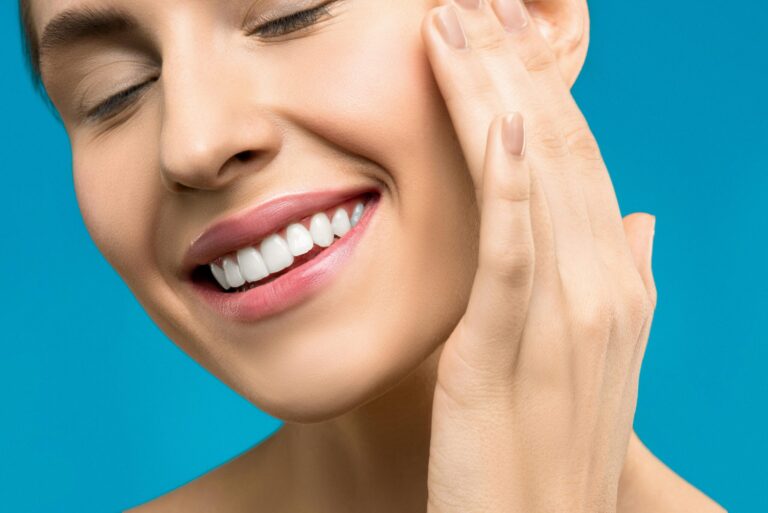
Your smile and the overall structure of your face work together. The health of your teeth influences how you hold your jaw, how you age, and how confident you feel in everyday interactions. Likewise, the appearance of your chin, jawline, and surrounding facial features frames everything that your smile sits within. Understanding how these elements interact is the first step toward making genuinely informed decisions about your appearance and your health.
The Foundation: Why Dental Health Comes First

There’s a reason dental health is considered a cornerstone of overall wellbeing. Beyond the obvious aesthetic benefits of clean, healthy teeth, good oral health has been linked to reduced risk of heart disease, better management of diabetes, and improved respiratory health. Neglecting your teeth doesn’t just affect your smile; it can have a ripple effect across your entire body.
For many Australians, the barrier to regular dental care is simply putting it off. Life gets busy, and unless there’s pain involved, a dental visit can feel easy to delay. But preventive care is almost always more straightforward and more cost-effective than restorative treatment. Catching a small issue early saves significant time, discomfort, and expense down the track.
If you’ve been overdue for a check-up, or you’ve been thinking about improving your smile through whitening, alignment, or restorative work, connecting with a trusted dental practice is the natural starting point. A clinic like Perth City Dental offers a full range of dental services and takes the time to understand what each patient actually wants from their care, whether that’s maintaining what they have or exploring cosmetic options.
How Your Smile and Facial Structure Work Together
It’s worth taking a moment to think about the relationship between your teeth and the broader structure of your face. Your teeth and jawbone provide the scaffolding that supports the lower third of your face. When teeth are missing or significantly worn, the jaw can shift, the face can appear to shorten, and volume loss becomes more pronounced over time.
Even in people with healthy teeth, the natural ageing process affects the jaw and chin area considerably. Bone density reduces, skin loses elasticity, and the definition that characterised a younger face begins to soften. This is a completely normal process, but it’s one that a growing number of people are choosing to address through non-surgical cosmetic treatments.
Chin and jawline fillers have become one of the most sought-after cosmetic treatments in recent years, and for good reason. Subtle enhancements to the chin and jaw can dramatically improve facial balance, restore a more youthful profile, and complement the results of any dental work. Treatments in this area offered by clinics across Australia use non-surgical techniques to enhance definition and restore proportion without the need for downtime or surgery.

What to Consider Before Starting Any Treatment
Whether you’re exploring dental improvements, cosmetic treatments, or both, a few principles apply across the board:
- Start with a consultation: A good practitioner will always take the time to understand your goals before recommending anything. Be wary of anyone who jumps straight to a treatment plan without asking questions.
- Be honest about your expectations: Realistic goals lead to satisfying outcomes. The best results tend to be those that enhance what’s already there rather than dramatically alter it.
- Consider the sequence: If you’re planning both dental and cosmetic work, it generally makes sense to complete significant dental treatment first, as changes to teeth and bite can influence how cosmetic facial treatments should be approached.
- Research your providers carefully: Qualifications, experience, and before-and-after results all matter. Choosing practitioners who are transparent about their approach gives you confidence throughout the process.
The Confidence Factor
It’s easy to dismiss aesthetic treatments as purely superficial, but the psychological impact of feeling good about your appearance is well documented. People who feel confident in how they look tend to engage more openly in social situations, perform better in professional settings, and report higher overall life satisfaction.
This isn’t about chasing an unrealistic ideal. It’s about addressing the specific things that have been quietly affecting your confidence, whether that’s a smile you’ve been hiding or a change in your facial profile that’s been bothering you. Targeted, considered treatment in either or both of these areas can make a meaningful difference to how you present yourself and how you feel day to day.
Taking the First Step
Looking and feeling your best doesn’t require dramatic intervention. More often, it comes down to addressing the fundamentals: keeping your dental health in good order, understanding how your facial structure changes over time, and making informed decisions about where a little professional support can go a long way.
Both dental care and cosmetic facial treatments have evolved significantly in recent years. The options available today are more accessible, more natural-looking, and more tailored to the individual than ever before. If you’ve been thinking about making a change, there’s never been a better time to start the conversation.