

Your age is just a starting point

Your age is just a starting point
Here’s something worth knowing: two people can share the same birthday and yet have bodies that are years — even decades — apart in biological terms. Scientists distinguish between chronological age (the number of candles on your cake) and biological age (how your cells, organs, and systems are actually holding up). Research confirms that genetic factors account for only around 15 to 25 per cent of how we age — meaning the vast majority of it is shaped by the choices we make every day.

The encouraging news? Many of those choices are entirely within your control. Whether you’re in your 30s, 50s, or well beyond, the following habits are backed by science to help you feel — and function — younger for longer.

Advertisement

1. Move your body regularly

1. Move your body regularly

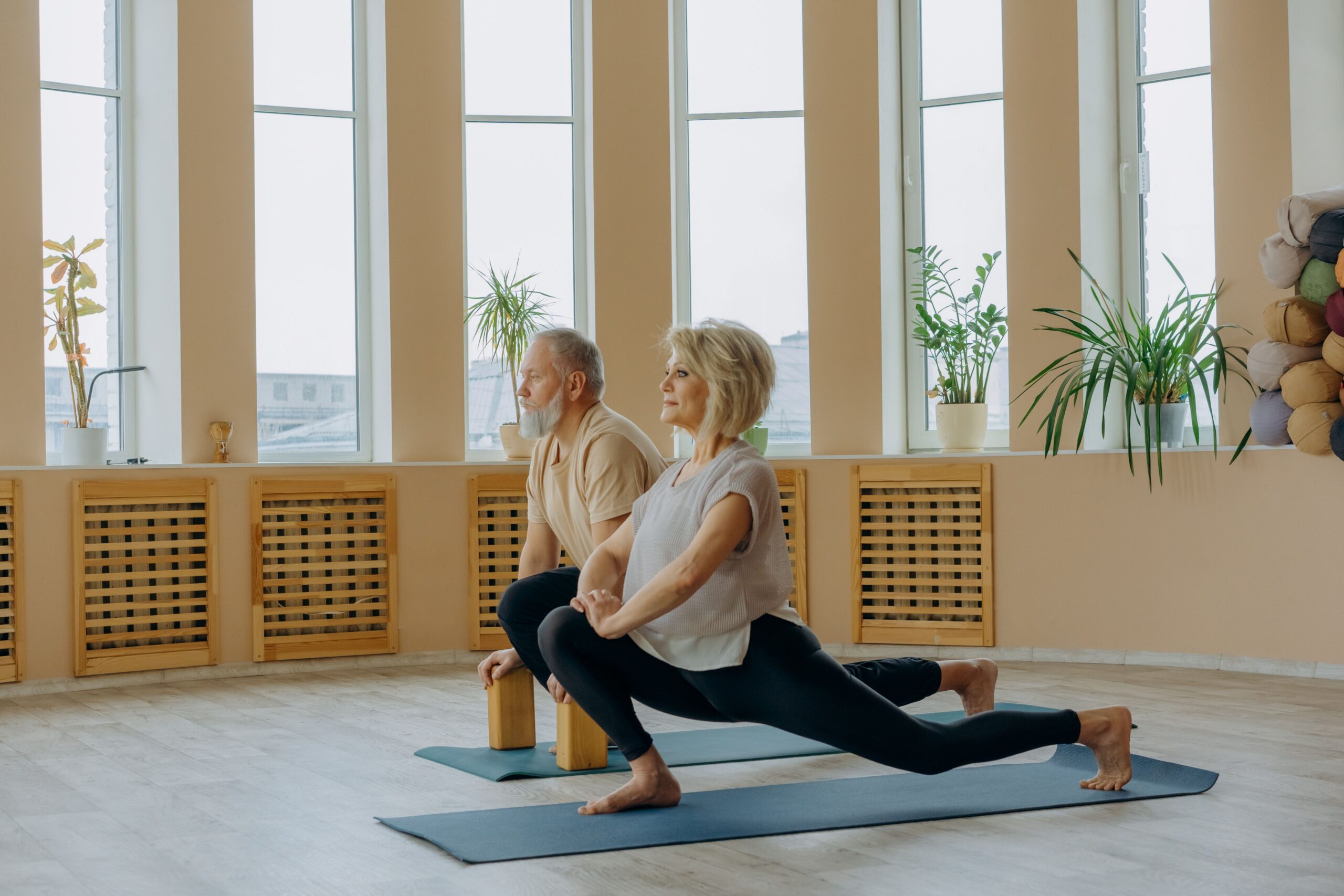
If there’s one habit that comes up again and again in longevity research, it’s exercise. A landmark study from the University of Birmingham and King’s College London found that older adults who had exercised consistently throughout their lives had the muscle mass, cholesterol levels, and immune function of people decades younger. More recently, research published in 2025 confirmed that lifelong endurance training — activities like cycling, swimming, and running — produces immune cells that age more slowly and manage inflammation more effectively.

You don’t need to be an elite athlete to benefit. Australian health guidelines recommend at least 150 minutes of moderate aerobic activity per week, combined with two sessions of strength training. That’s less than 25 minutes a day — a very manageable investment in your future self.

2. Fill your plate with whole, minimally processed foods
2. Fill your plate with whole, minimally processed foods
pexels

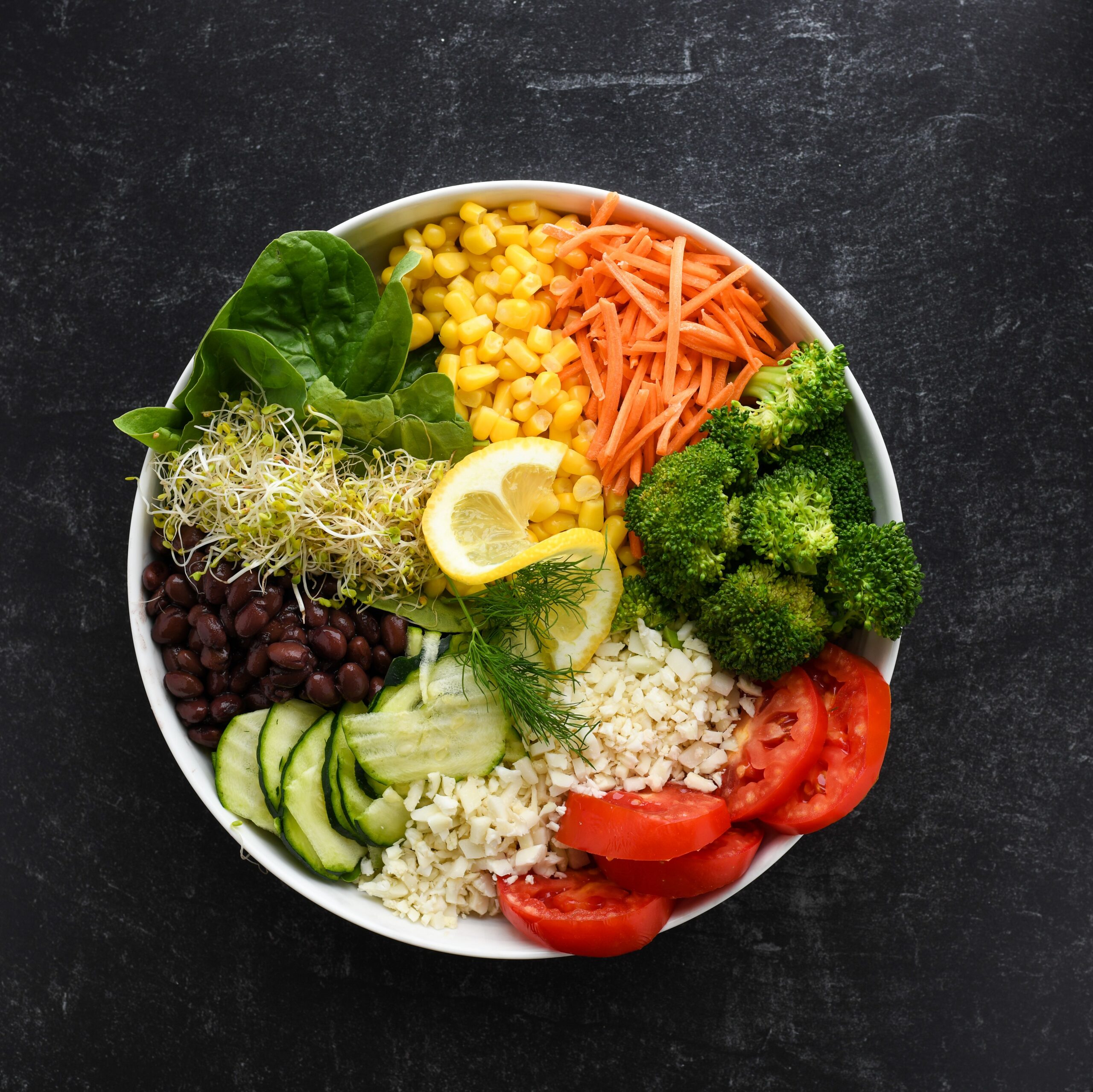
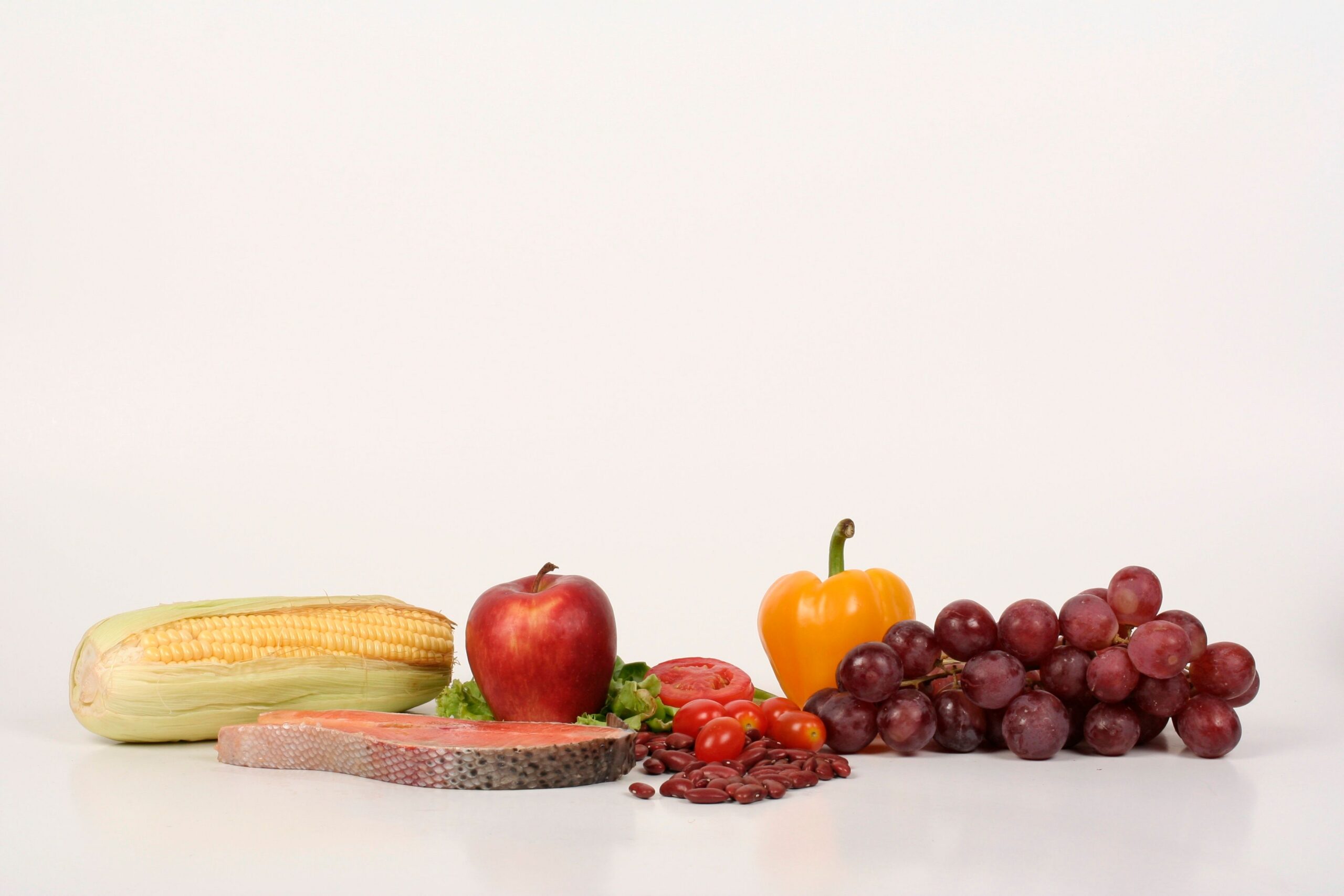
The gap between a diet built on whole foods and one dominated by ultra-processed options has a measurable impact on how quickly we age. Research consistently shows that minimally processed foods — think vegetables, legumes, whole grains, eggs, lean protein, and good fats — reduce chronic inflammation, stabilise blood sugar, and protect against the kind of cellular damage that accelerates ageing.

For Australians and New Zealanders, it’s worth noting that discretionary foods (biscuits, packaged snacks, fast food) currently make up more than a third of our average energy intake. Shifting even a portion of that toward whole foods can meaningfully improve long-term health outcomes.
3. Embrace a plant-forward approach to eating

3. Embrace a plant-forward approach to eating
pexels

You don’t have to go fully plant-based to reap the benefits of eating more plants — but research strongly supports shifting the balance. A 2022 study from the University of the Sunshine Coast found that older Australians who more closely followed a Mediterranean-style diet — rich in vegetables, fruit, legumes, olive oil, and wholegrains — showed better cognitive function and physical health outcomes than those who didn’t.

The Mediterranean diet isn’t about restriction; it’s about abundance. Fill most of your plate with plant foods, enjoy fish a couple of times a week, use good quality olive oil, and treat red meat as an occasional rather than daily feature.

4. Prioritise protein, especially as you get older

4. Prioritise protein, especially as you get older
pexels

One of the less-discussed realities of ageing is that we gradually lose muscle mass — a process called sarcopenia. From around 40 onwards, people can lose up to 8 per cent of their muscle per decade, with the rate accelerating significantly after 70. Adequate protein is one of the most effective tools to slow this process.

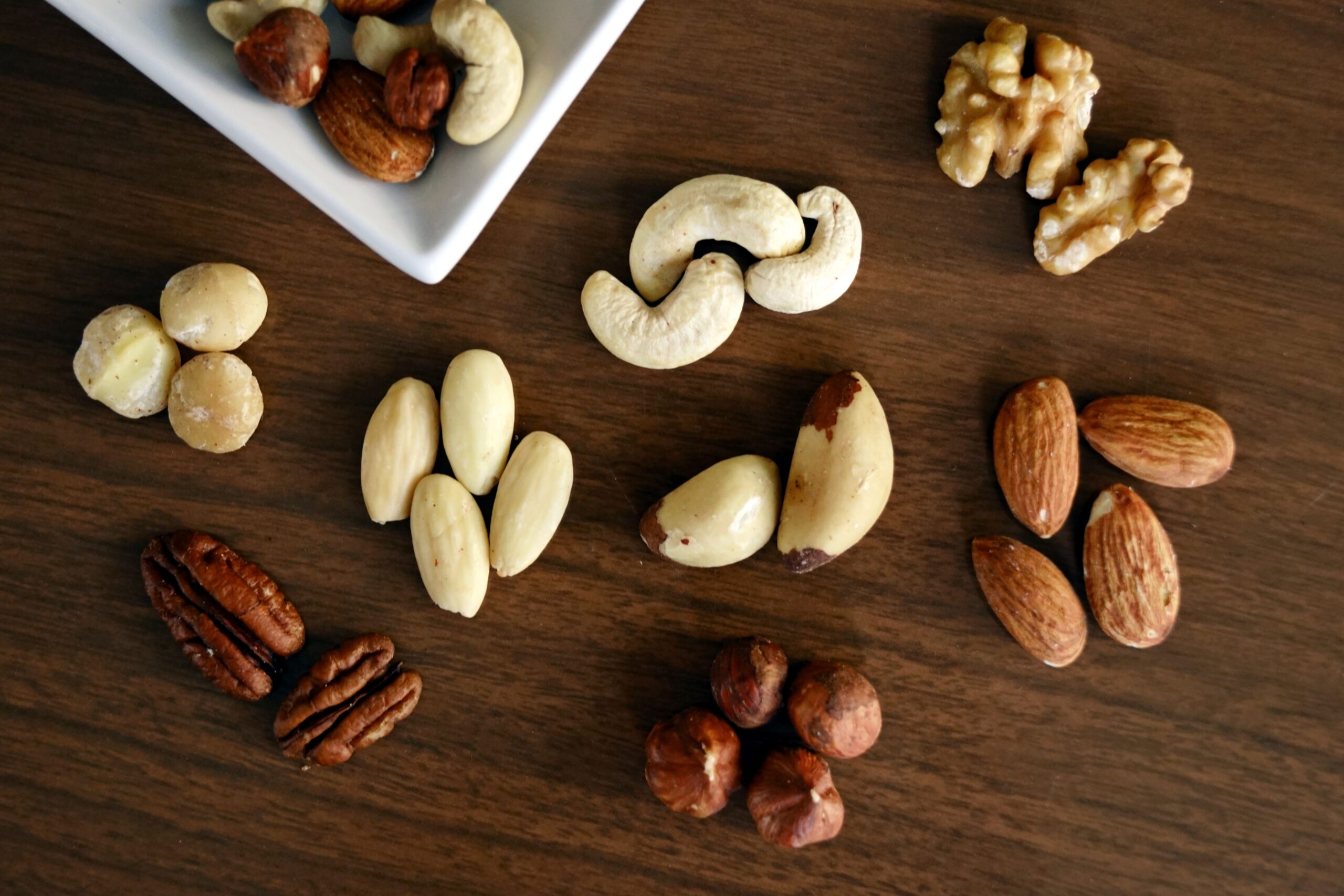
Most nutrition experts now recommend aiming for 25 to 30 grams of protein at each main meal — spread through the day rather than loaded at dinner. Good sources include fish, chicken, eggs, legumes, Greek yoghurt, tofu, and nuts.

5. Get outside every day

5. Get outside every day
pexels

Sunshine does more than lift your mood. Vitamin D — produced when skin is exposed to UV — plays a critical role in bone health, immune function, and may help protect against heart disease and certain cancers. Studies have also linked higher vitamin D levels to longer telomeres, the protective caps on our DNA strands that act as a biological clock for our cells.

Fifteen to 30 minutes of outdoor time daily is generally sufficient for vitamin D production — no sunbaking required. A walk to the local shops, a lunch break in the park, or tending the garden all count. Given Australia’s sun intensity, avoid peak UV hours (roughly 10am–2pm in summer) and check the UV index on the Bureau of Meteorology app.

6. Protect your skin from UV damage

6. Protect your skin from UV damage
pexels

Sunlight giveth and sunlight taketh away. While we need some UV exposure for vitamin D, excessive sun is the number one cause of premature skin ageing, wrinkles, and skin cancer — and Australia and New Zealand have some of the highest melanoma rates in the world.

Daily broad-spectrum SPF 50+ sunscreen, protective clothing, a wide-brimmed hat, and seeking shade during peak UV hours are the simplest and most evidence-based things you can do to keep your skin — and underlying tissues — younger for longer.

7. Be mindful of toxins in your environment

7. Be mindful of toxins in your environment

Emerging research has identified a group of environmental compounds known as “gerontogens” — substances that may accelerate biological ageing. These include heavy metals, industrial pollutants and certain chemicals found in plastics.

Among the most significant preventable exposures is cigarette smoke. Smoking not only contributes to visible signs of ageing but also causes measurable damage at the cellular and genetic levels, accelerating ageing across multiple organ systems. If you smoke, quitting is one of the most impactful steps you can take to improve your health at any age.

8. Stay well hydrated

8. Stay well hydrated
pexels

Hydration tends to get less attention than diet or exercise, but it’s fundamental to virtually every process in the body — from regulating temperature and lubricating joints, to supporting digestion and keeping skin healthy. As we age, the kidneys become less efficient and our thirst response less reliable, making dehydration a more common and serious risk.

Aim to drink water consistently throughout the day rather than waiting until you feel thirsty — by then, mild dehydration has often already set in. Foods with high water content, including cucumber, watermelon, and soups, also contribute meaningfully to your daily fluid intake.

9. Look after your teeth and gums

9. Look after your teeth and gums
pexels

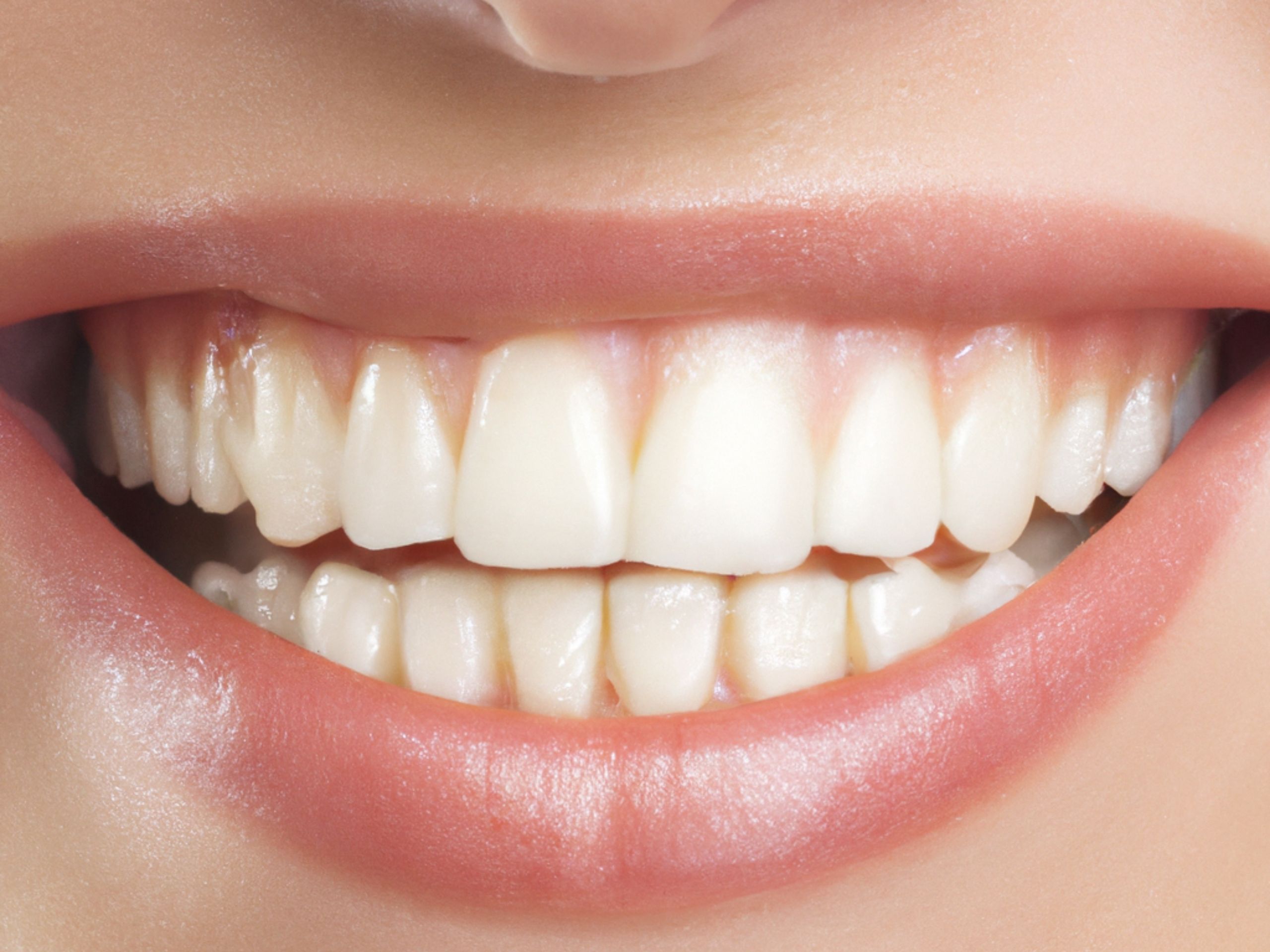
The mouth is increasingly seen as a window to whole-body health. Poor dental hygiene is associated with higher risks of cardiovascular disease, stroke, and type 2 diabetes — likely because bacteria from gum infections can enter the bloodstream and trigger inflammation elsewhere. More recent research has also pointed to links between gum disease and dementia risk.

Brushing twice daily, flossing, and seeing your dentist regularly are unglamorous habits — but they may be among the most underrated contributors to healthy ageing.

Connect with us: