

If you’ve seen the news lately you may be worried by the latest bird flu reports, which has now reached Australia. While the H5 bird flu mainly affects birds, mammals are also susceptible, including cats. Cats can contract the virus through environmental contact, or by eating infected birds or other infected animals. Dogs can contract the virus in the same way, though because of biological and behavioural factors they are less at risk than our feline friends. Read on to see how you can protect your own cat from bird flu and support our wonderful wildlife by reporting any potential cases you see.
What does bird flu look like in cats?
As mentioned, cats can contract the virus through exposure to (or consuming) infected birds and wildlife or coming into contact with the virus via the environment. Signs of bird flu to look out for include flu symptoms such as sneezing; watery eyes; difficulty breathing; lethargy or weakness; loss of appetite; fever; and neurological signs like tremors or loss of balance. If you suspect your cat may have contracted bird flu, act fast as symptoms can worsen quickly with their health deteriorating rapidly. Phone your vet immediately to notify them of your cat’s condition and the associated risks of bird flu.
How can you protect your cat?
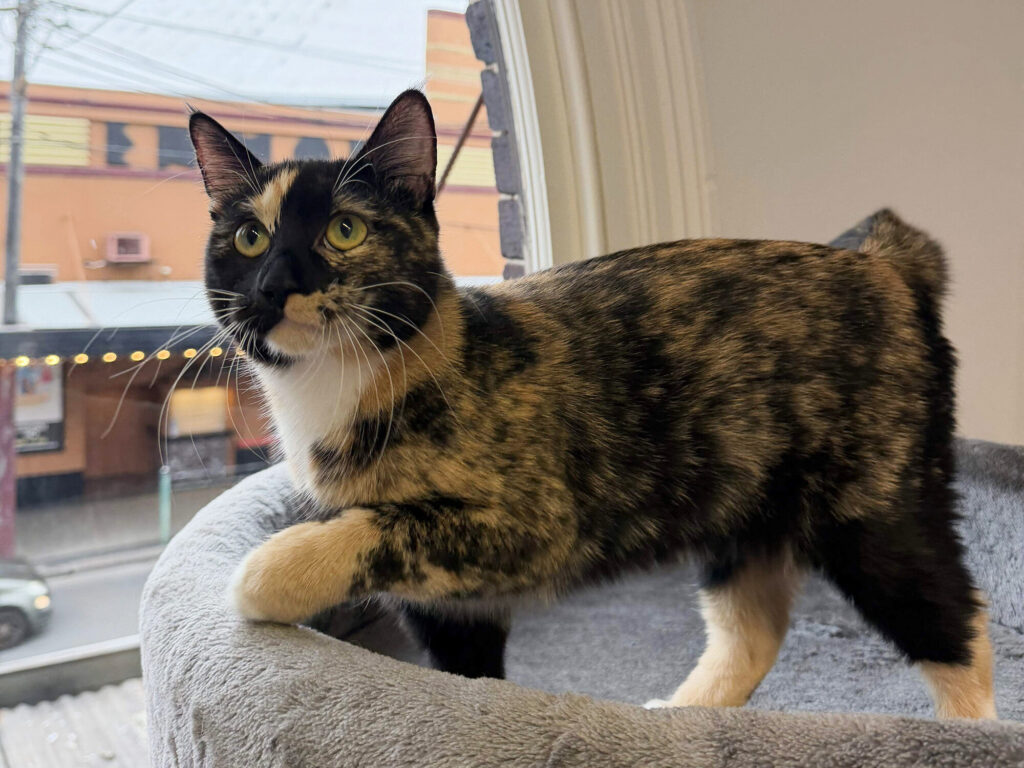
Unfortunately, there is no specific vaccination to protect against bird flu, and while feline infection is rare, cases overseas have shown a high mortality rate – at the time of writing there have been no cases in cats reported in Australia. This is indeed a case of ‘prevention is better than cure’! To keep your cat safe, ensure they stay inside or are fully contained in a secure catio or outdoor enclosure – these should be constructed away from where birds roost. Check out Cat Protection’s website on cat-proof fencing and enclosures for information and ideas on creating a secure outdoor area for your cat to enjoy. For ways to provide environmental enrichment and keep your indoor kitty entertained, look for advice in Cat Protection’s factsheet having a happy indoor cat. If your cat has outdoor access, ensure their water or food sources are not accessible to any birds or wildlife, including being careful not to position bowls where they could be contaminated by bird droppings. Also avoid feeding your cat any raw food (including human-grade foods) or unpasteurised milk. It’s also important to remember that freezing doesn’t kill the virus. Practice good hygiene and wash your hands regularly and, if you’ve walked through bird droppings, take your shoes off before going inside.
Stay informed and report any sick bird sightings
It’s important to stay up to date with the bird flu situation in your local area so that you can manage risk and follow advice. Resources and links to relevant State and Territory sites can be accessed via this dedicated page from the Australian Government. If you see sick or dead birds or other animals, don’t touch them but record their location and notify the 24-hour Emergency Animal Disease Hotline on 1800 675 888. Signs that a bird may be infected with bird flu include swelling around the head and neck; nasal discharge, coughing, sneezing or breathing difficulties; purple discolouration of wattles, combs and legs; and unexplained sudden death.
Looking out for our wildlife and pet birds
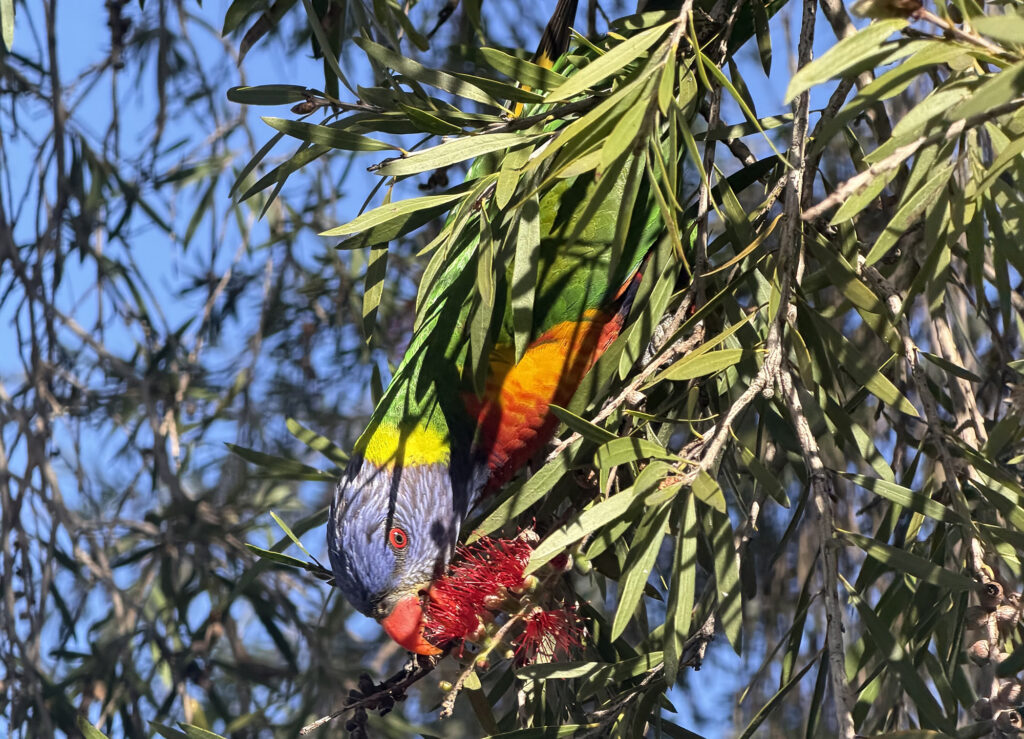
Many of us have beloved avian friends who visit our backyards, local parks, and bushland. Equally, we cherish the wonderfully diverse birdlife across the world. Birds are a joy to have around, whether they’re a part of your local ecosystem or your own feathered pets. Of domesticated birds, backyard chickens are the most at risk of contracting bird flu and anyone who has their own flock should be on high alert. The greatest risk is to hens who are free range all or some of the time, as they are exposed to wild birds. Keep an eye on your chooks and, if possible, keep them housed or limit the time and space they have to free range. If you notice one of your own birds, or a bird in the wild, seems disoriented, lethargic, or unwell, you should call the Emergency Animal Disease Hotline. The NSW Department of Primary Industries and Regional Development has a range of resources, including this factsheet on how to keep your birds and chickens safe: Backyard Chicken and Bird Keepers – Know the signs. Caged birds, such as pet parrots, are unlikely to come into contact with wild birds. However, if exposure is possible and they exhibit any signs of illness, be sure to report this.
The One Health / One Welfare approach
The One Health / One Welfare philosophy shows that the wellbeing of animals, humans, and the environment are intertwined. Another way to think about the One Health / One Welfare framework is on a more personal level with the understanding that animal suffering may cause human suffering while on the other side of the coin, we can enjoy the immense happiness and good health that comes from positive animal companionship. Many of the research projects Cat Protection have supported demonstrate One Health / One Welfare in action, such as their Good Neighbour Project. This project offers insights into the benefits of keeping your cat on your property and how this positively impacts your cat, yourself, your community, and the surrounding native animals. The Good Neighbour Project has lots of wonderful multimedia resources you can share with other cat guardians and animal lovers in your life.
Hopefully following these simple measures against bird flu can help curb your anxiety, so you can get back to enjoying cosy cat cuddles on the couch knowing you’ve done what you can ensure the safety of your best furry friend.
For general advice on cat care and everything feline, call the Cat Protection Society of NSW on 02 9519 7201 or visit catprotection.org.au