

Pexels

Every household has a self-appointed “laundry expert” — usually whoever’s mum taught them the rules back in the 80s. Extra scoop of powder for a “proper” wash. Hot water for whites. Hand-wash the good bras or else. Sound familiar?

Turns out a fair bit of what we were taught at the ironing board is more folklore than fact. We dug through what the experts across New Zealand actually say, so you can stop wrestling with your washing machine and start winning at washday.

Advertisement

Myth 1: More detergent equals cleaner clothes
Myth 1: More detergent equals cleaner clothes
Pexels

Chucking in an extra glug “for good measure” feels like common sense — but it’s actually the single most common laundry mistake people make. According to consumer group CHOICE, even though it might seem like extra detergent will get your clothes extra clean, it’s actually not the case – adding too much detergent can leave your clothes less clean, coated in residue instead. Worse, it can gunk up your machine over time.

The fix? Most manufacturer scoops are far too generous. Try using just a quarter of the full volume and see how you go — your clothes (and your machine) will thank you.

Myth 2: The hotter the water, the harder it scrubs
Myth 2: The hotter the water, the harder it scrubs
Pexels

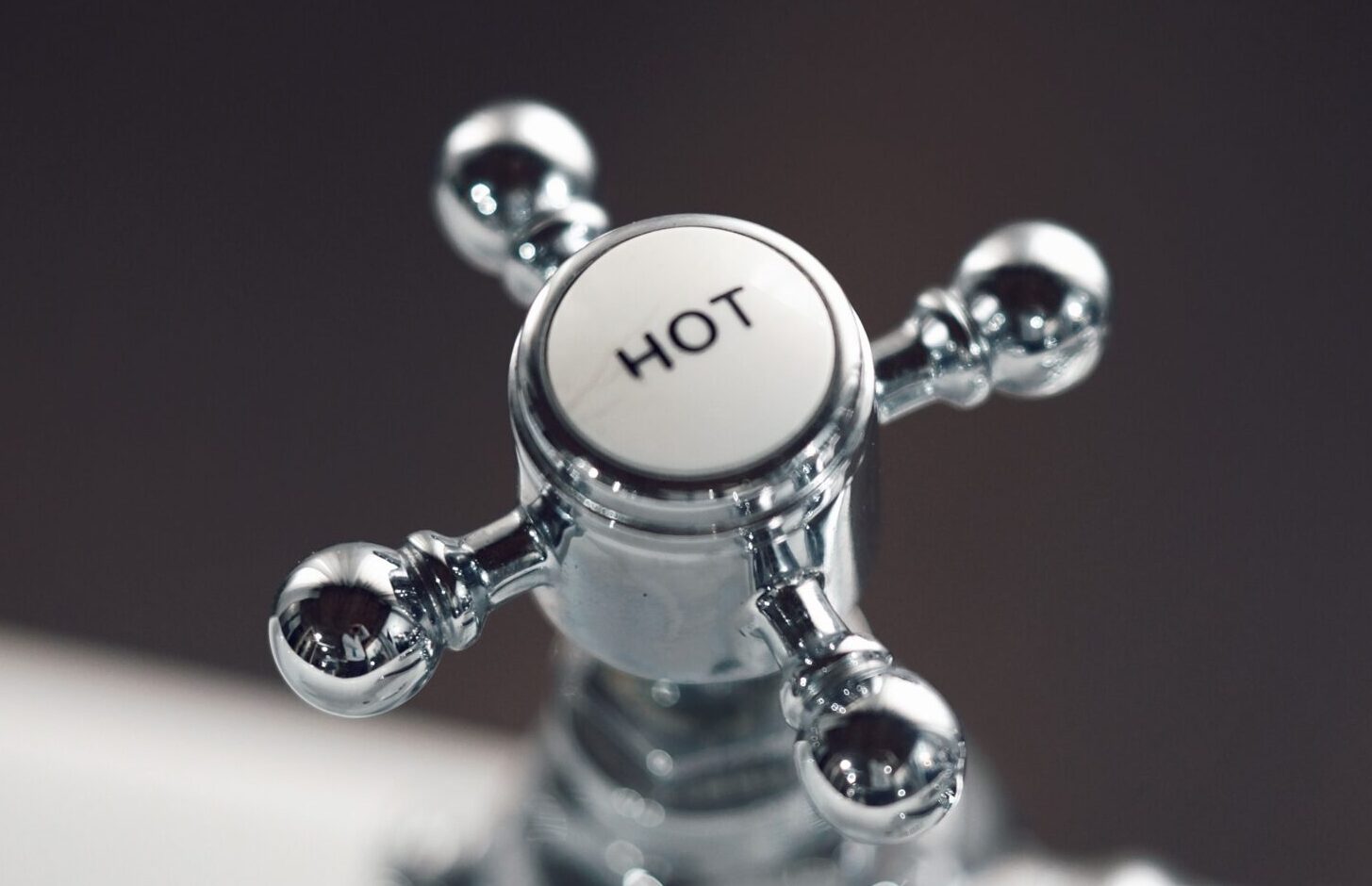
We’ve all been told hot water is where the “real” cleaning happens. Not so much anymore. As one laundry expert pointed out, “Cold water is going to do a wonderful job cleaning most of your clothes – keep the hot-water washes for when you need it, like when something’s really dirty or something’s really stinky or you need to sanitise something because someone is sick.”

And here’s a very Antipodean twist: CHOICE’s laundry expert notes that hot-water washing barely makes a difference locally anyway, where our ‘cold’ water isn’t usually particularly cold to begin with. So save the energy bill and reserve the hot cycle for tea towels, bedding after a lurgy, or anything genuinely grubby.
Myth 3: Every outfit needs a wash after one wear

Myth 3: Every outfit needs a wash after one wear
Pexels

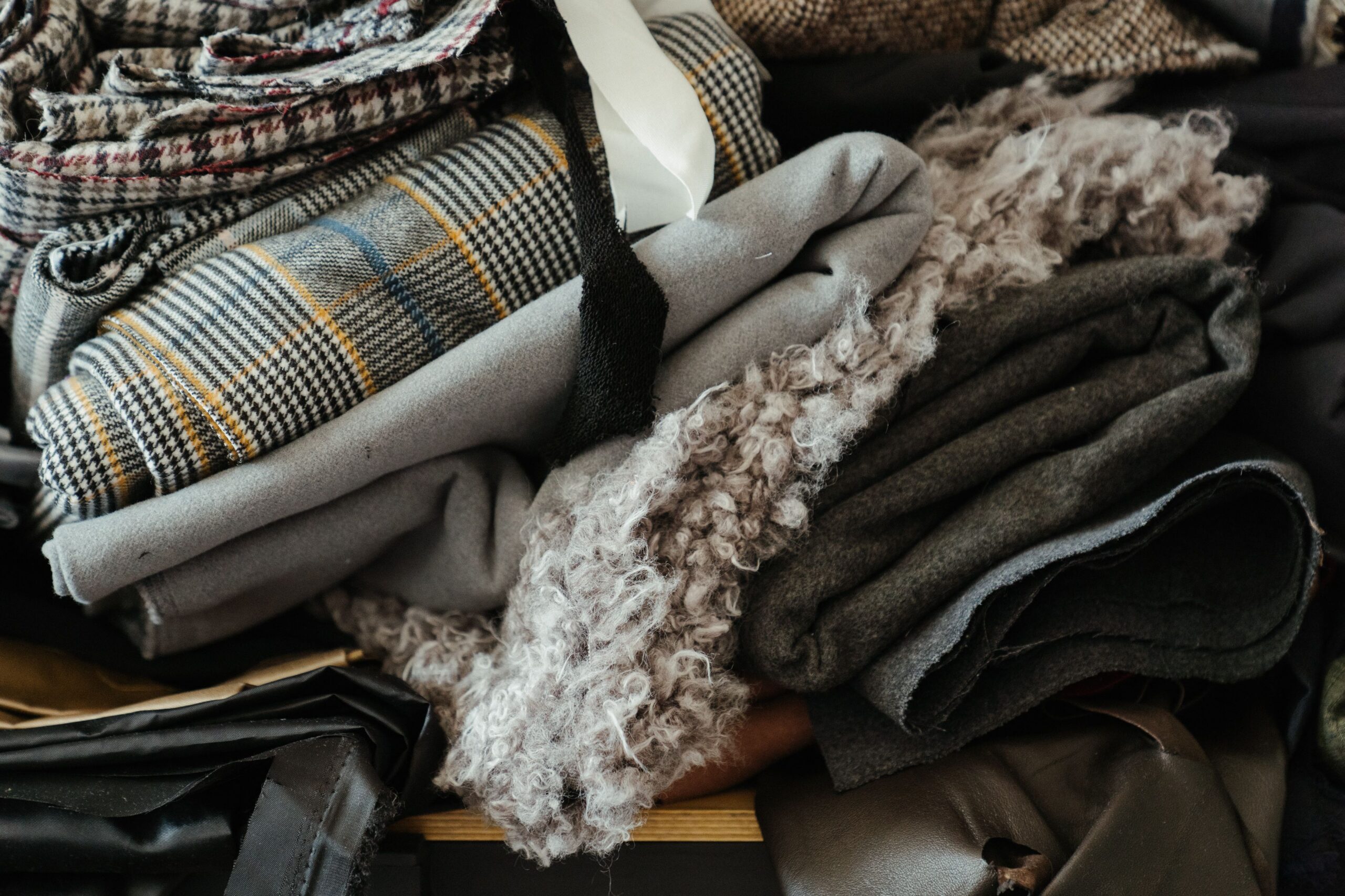
Unless it’s covered in a stain, smells like a gym bag, or you’ve been out gardening, that jumper you wore for two hours probably doesn’t need to go straight in the machine. Over-washing wears fabric out faster and fades colours sooner than necessary — a fact confirmed by pretty much every laundry professional going. Give it a sniff test and a once-over before condemning it to the wash pile.

Myth 4: Bras are strictly hand-wash only

Myth 4: Bras are strictly hand-wash only
Pexels

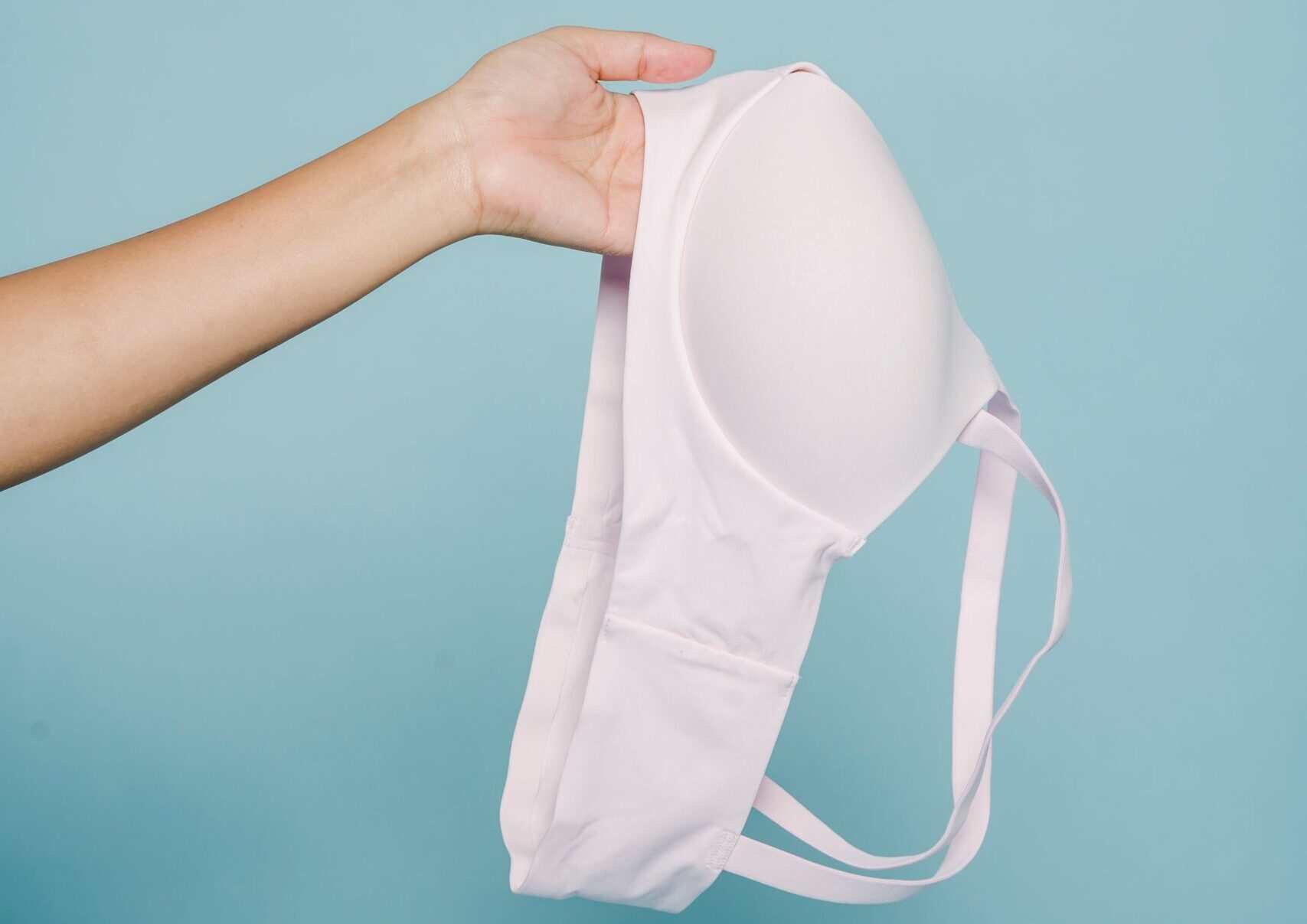
Good news for anyone who’s ever “hand-washed” a bra by leaving it in a sink of water overnight and hoping for the best: you don’t have to. Pop it in a mesh laundry bag, zip it up, and run it through a cool, gentle cycle with a mild detergent. The bag protects the underwire and delicate lace from getting mangled by zips and buttons in the wash — no sink required.

Myth 5: Sorting by colour is all you need to worry about

Myth 5: Sorting by colour is all you need to worry about
Pexels

Colour-sorting is only half the story. Heavyweight fabrics like denim and towelling can rough up anything more delicate they’re washed alongside — think snagged jumpers or bobbled activewear. Sort by fabric weight as well as colour, and always check the care label, since it’ll flag anything that needs to fly solo.

Myth 6: If it says "dry clean only," you must dry clean it

Myth 6: If it says "dry clean only," you must dry clean it
Pexels

Dry-clean-only labels can be more about covering the manufacturer than genuine necessity. Plenty of wool and silk garments can be safely refreshed at home — hand-washed in cool water with a gentle, wool-specific detergent, or simply steamed between wears to knock out odours without a full wash. Wool is naturally odour-resistant, so airing it outside is often all it needs.

Myth 7: Tennis balls in the dryer speed things up

Myth 7: Tennis balls in the dryer speed things up
Pexels

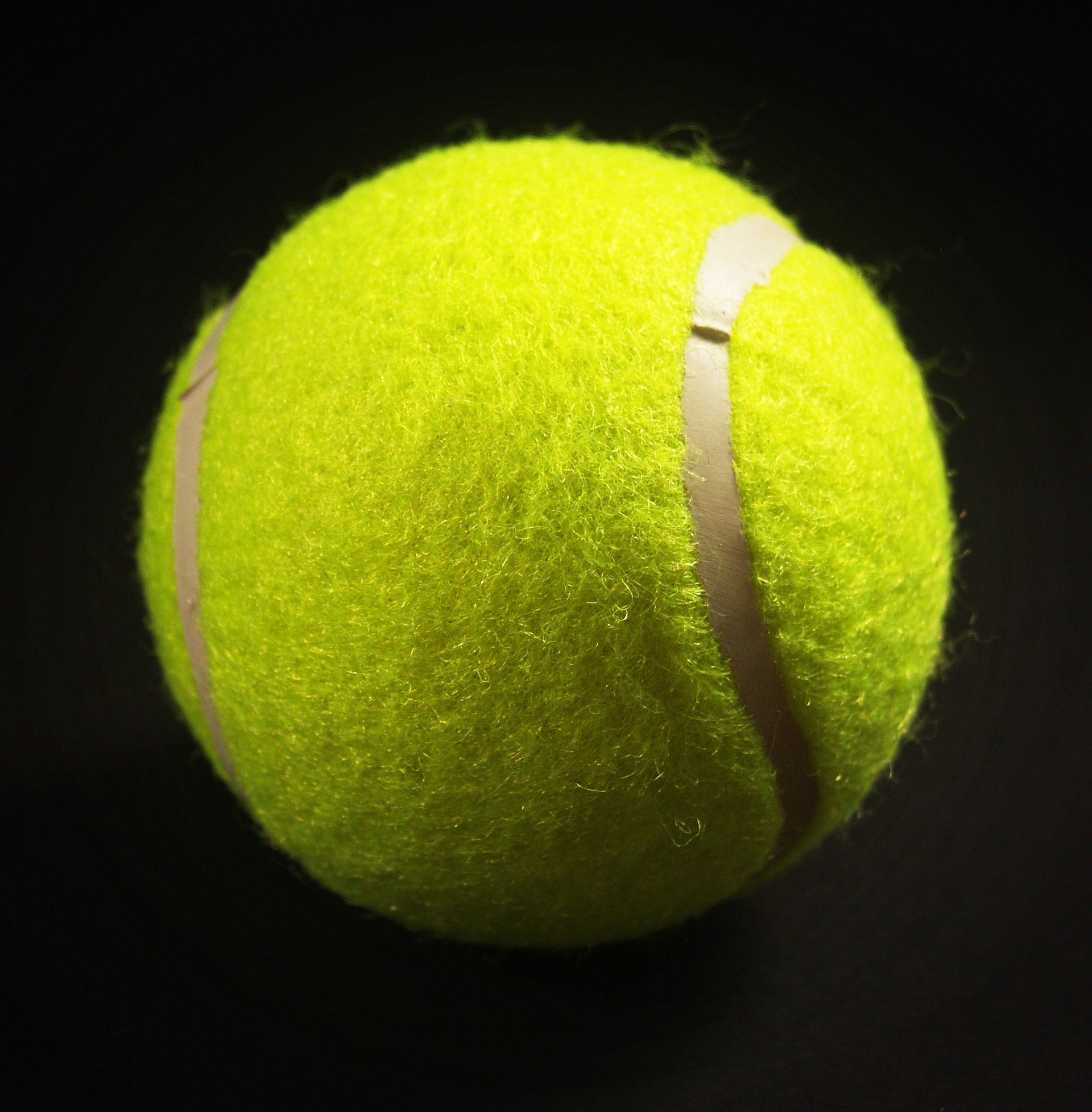
A cheeky hack that’s done the rounds for years: toss a couple of tennis balls in with your washing to “bounce” your clothes dry faster. Consumer group CHOICE actually put this one to the test — and the verdict was a clear thumbs down. The rubber and dye in tennis balls can transfer onto damp fabric, and they don’t meaningfully cut drying time either

Connect with us: