


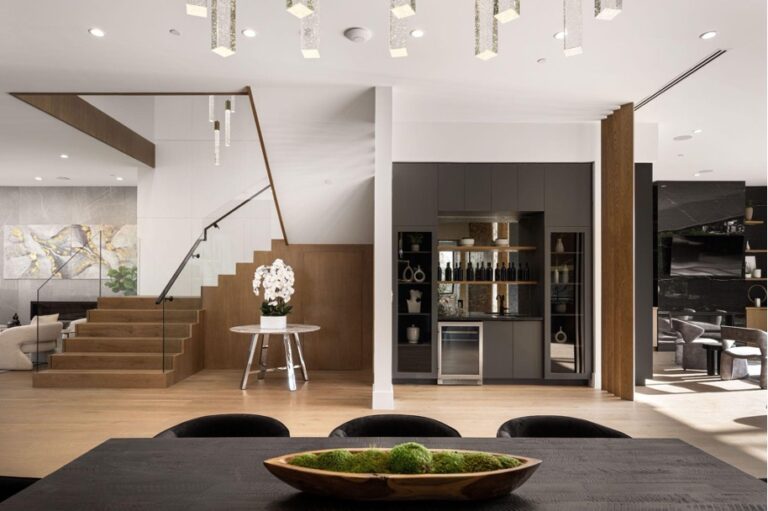
The Design Feature That Fades into the Background
Some of the most effective design decisions are also the quietest. They do not call attention to themselves, yet they shape the way a room feels, flows, and functions. Lighting is one of those elements. It is rarely the first thing someone notices when entering a space, but it often determines how long they stay, how relaxed they feel, and how clearly they see what they came to do.
When lighting works well, it tends to disappear. That does not mean it lacks purpose or creativity. It means the light is doing its job so smoothly that it does not interfere with anything else. There is no squinting. No glare. No harsh shadows across faces or tabletops. Just an even, soft presence that supports whatever is happening in the space.
This kind of lighting does not come from guesswork. It comes from knowing how light behaves in relation to people, surfaces, and time of day. That understanding makes the difference between a room that feels balanced and one that always feels a little bit off.
Light as Function, Not Decoration
In many homes, lighting gets chosen late in the process. It is added after paint colours and furniture, treated like a finishing touch. But when treated as a functional part of the space from the start, lighting helps guide how that space is used. It defines task areas without needing walls. It creates separation in open rooms. It softens corners that might otherwise feel stark or neglected.
Good lighting design starts with use. A kitchen bench needs clarity. A reading chair needs directional support. A bathroom needs shadow-free light across the mirror. Each of these settings benefits from a different approach, and yet they all work best when the lighting feels gentle and consistent.
Light that is too strong can make a room feel clinical. Light that is too weak makes everyday tasks harder than they should be. Somewhere in the middle is a level that keeps colours accurate, features natural, and the eyes at ease. Achieving that balance often comes down to spread, temperature, and placement — not just the brightness on a label.
When the Fixture Supports the Atmosphere
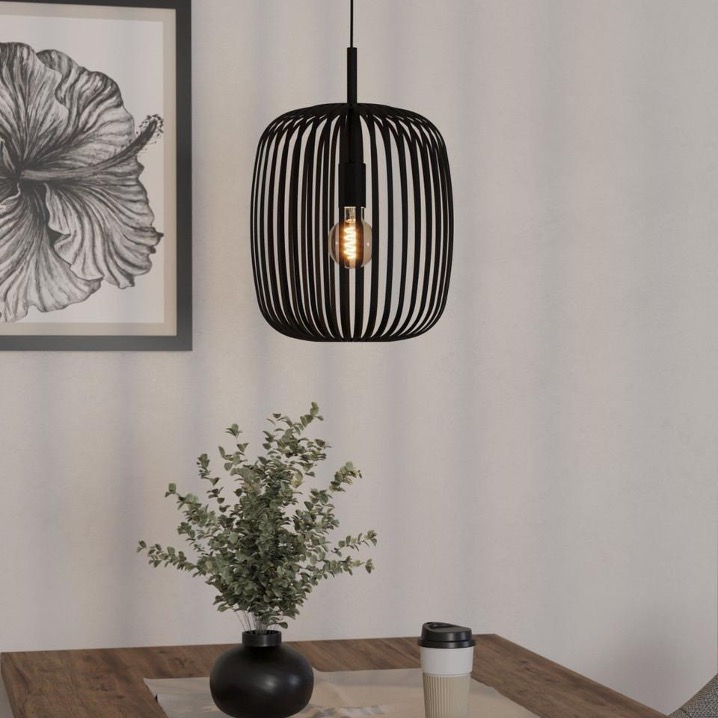
In well-lit spaces, the fixture does not need to dominate. Its role is to help the room do what it is meant to do. That might mean providing structure in a large dining room or bringing intimacy to a smaller sitting area. The best fixtures work with the room, not against it. Their material, shape, and size match the tone of the space without overpowering it.
This is especially true in open plan designs, where one room blends into another. In those spaces, the lighting fixture becomes one of the few fixed elements that can create zones. A fixture above a table signals purpose. A light that casts downward over a bench adds focus without closing off the room.
One example of this is the considered use of pendant lighting, which often works as a gentle marker of space in otherwise open areas. These fixtures do more than add visual interest. When chosen with care, they distribute light evenly across specific surfaces, reduce unwanted shadows, and anchor a part of the room that might otherwise feel undefined.
The effect is not loud, but it is noticeable. Without the light, the room lacks cohesion. With it, everything feels more resolved.
Light That Adapts Without Effort
Good lighting responds to more than just layout. It also supports different times of day and different types of activity. A living room might need bright, energising light in the morning and something softer in the evening. A bedroom may benefit from warm tones at night and clearer light when getting ready for the day.
This kind of adaptability does not always require smart systems or complex installations. Sometimes it comes from layering — using more than one light source in the same space. A ceiling fixture paired with a lamp creates options. Each can be used as needed, depending on the moment.
Even a simple dimmer can transform how a room feels. It lets the light match the mood without needing to change anything else. This flexibility is part of what separates thoughtful lighting design from purely decorative choices. It recognises that light affects how people feel, not just how things look.
When Light Becomes Part of the Routine
There is a difference between a room that works and a room that feels easy. Light plays a quiet role in making that difference. It sets the tone in the morning. It calms the space in the evening. It supports movement, focus, and pause without asking for attention.
When lighting becomes part of the background, that does not mean it has lost importance. It means it has found the right place in the design — present, supportive, and responsive to what the room is for.
The goal is not to impress with fixtures. It is to make the space feel complete without needing to explain why.