


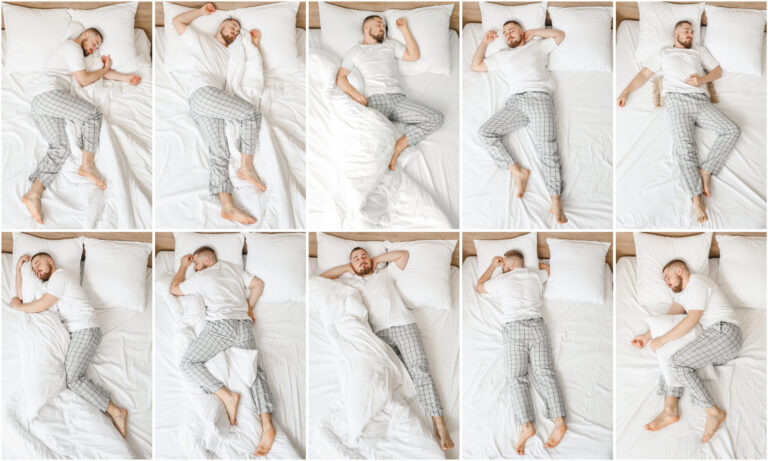
There are few things more jarring than being woken by a sudden, vice-like tightening in your calf. For many of us, night-time leg cramps seem to strike out of nowhere, turning a peaceful night into a bleary-eyed scramble to rub the pain away. We tend to blame the usual suspects, dehydration, tired muscles or a dip in certain nutrients, and these certainly play their part. Yet there is one cause that often slips under the radar: the very way you lie in bed.
How you arrange your legs, hips and back overnight affects your circulation, your nerves and how relaxed or strained your muscles are. It is a connection most of us never consider, yet it can be the quiet difference between a full night’s rest and one broken up by pain. Get it right and you give your body the best chance of a settled night. Get it wrong and you may unknowingly be inviting those painful spasms. Here, we look at how sleeping posture is linked to leg cramps, which positions tend to help or hinder, and the simple changes that can make for far more comfortable nights.
Why Your Sleeping Posture Matters
Your sleeping position can either encourage healthy blood flow and loose, relaxed muscles, or it can leave your legs cramped, compressed and prone to seizing up. There are a few common ways that less-than-ideal posture can set the scene for cramps.
Reduced circulation is one of the biggest culprits. Curling up very tightly or crossing your legs for hours on end can limit the flow of blood to your muscles, and muscles starved of a good blood supply are far more likely to cramp.
Pressure on the nerves is another. Some positions place weight directly on a nerve, which can lead to tingling, numbness or those involuntary twitches and contractions. Side sleepers who rest a lot of weight on one leg are especially prone to this.
Then there is plain muscle tension. Sleeping with your legs over-stretched or, more commonly, with your toes pointed downwards shortens the calf muscle and leaves it taut for hours, which is a recipe for cramp. Poor alignment of the spine and hips, such as an unsupported lower back, can add to the strain too.
The encouraging news is that none of this is set in stone. A few thoughtful adjustments to how you lie, and to your wind-down routine, can make a real difference.
The Best Positions for Cramp-Prone Legs

Resting on Your Back, With a Little Lift
For many people, lying on your back with the legs slightly raised is the kindest position for cramp-prone calves. It keeps blood flowing freely, holds the spine and hips in good alignment, and takes the load off the calf and thigh muscles.
To make the most of it, slip a pillow or a folded blanket beneath your knees so your legs stay gently bent rather than locked straight. Try to keep your feet in a neutral position too, rather than letting them point downwards, which over-tightens the calves. Even a small wedge under the lower legs can help, lifting them just enough to ease the pull on tired muscles.
Sleeping on Your Side, With Support
Side sleeping is comfortable and popular, but without a little help it can leave the legs misaligned and squashed together, which sometimes brings on cramps.
A pillow placed between the knees works wonders here, keeping the hips and spine level. Try to avoid drawing your knees right up to your chest, as that tight tuck can pinch off circulation. If you can, keep your lower leg fairly straight and let the upper leg bend slightly, which eases pressure on the nerves.
Lying on Your Stomach, With Care
Stomach sleeping tends to be the trickiest for cramps, largely because it encourages pointed toes, an arched lower back and a fair amount of muscle tension. If it is the only way you can drift off, a couple of tweaks will help.
Tuck a pillow under your pelvis and lower tummy to support the spine, and try not to let your toes point down all night. A rolled-up towel placed under your ankles can keep your feet in a more neutral, relaxed position.
Small Habits for Cramp-Free Nights

Posture is only part of the picture. A handful of simple bedtime habits can further lower your chances of waking in pain.
A gentle stretch before bed loosens tight muscles and gets the blood moving. A calf stretch is ideal: stand facing a wall, step one foot back and lean in while keeping the back leg straight. You might also sit on the floor and reach gently towards the toes of one outstretched leg to ease the hamstrings, or simply point and flex your feet a few times before settling down.
Staying well hydrated through the day is one of the most effective preventatives there is, as dehydration is a frequent trigger. Sip water regularly, and where it helps, include drinks that top up your sodium, potassium and magnesium.
Eating for muscle health supports things from the inside. Magnesium, potassium and calcium all help muscles work smoothly, so make room for leafy greens like spinach and kale, a handful of nuts and seeds, bananas, dairy and wholegrains.
Comfortable bedding matters more than you might think. Sheets tucked in too tightly can force your feet into that downward-pointing position overnight, so opt for looser, breathable bedding that lets your legs move naturally.
Finally, when cramps are a regular visitor, a little extra help can go a long way. Crampeze is formulated with magnesium, B vitamins and other muscle-supporting ingredients to ease cramp-related discomfort and keep muscles working as they should. If you are weighing up your options, it is worth reading why use Crampeze to stop leg cramps, and when you are ready, you can find where to buy it at a pharmacy or stockist near you.
Set Yourself Up for a Better Night
It is remarkable how much difference a small change can make. By keeping your body well aligned, helping the blood flow freely and steering clear of positions that leave your muscles strained, you create the conditions for a deeper, more restful sleep, and far fewer painful interruptions.
If you would like to understand more about what causes these spasms and how to manage them, you can learn more in the Crampeze Wellness Hub, where you will find plenty of practical, easy-to-follow advice.
Look after your sleep, take charge of those night-time cramps, and give yourself the chance to wake up well-rested and ready for the day ahead.