

For generations of New Zealand children, the “must-have” toy has changed with the times—from handmade wooden treasures to global crazes that swept the playground. But some things remain constant: Kiwi kids have always known how to play.
Here are the toys that made us smile, from beloved Kiwiana icons to the international sensations that captured our hearts.
The Early Years: Kiwiana Classics (1930s–1950s)
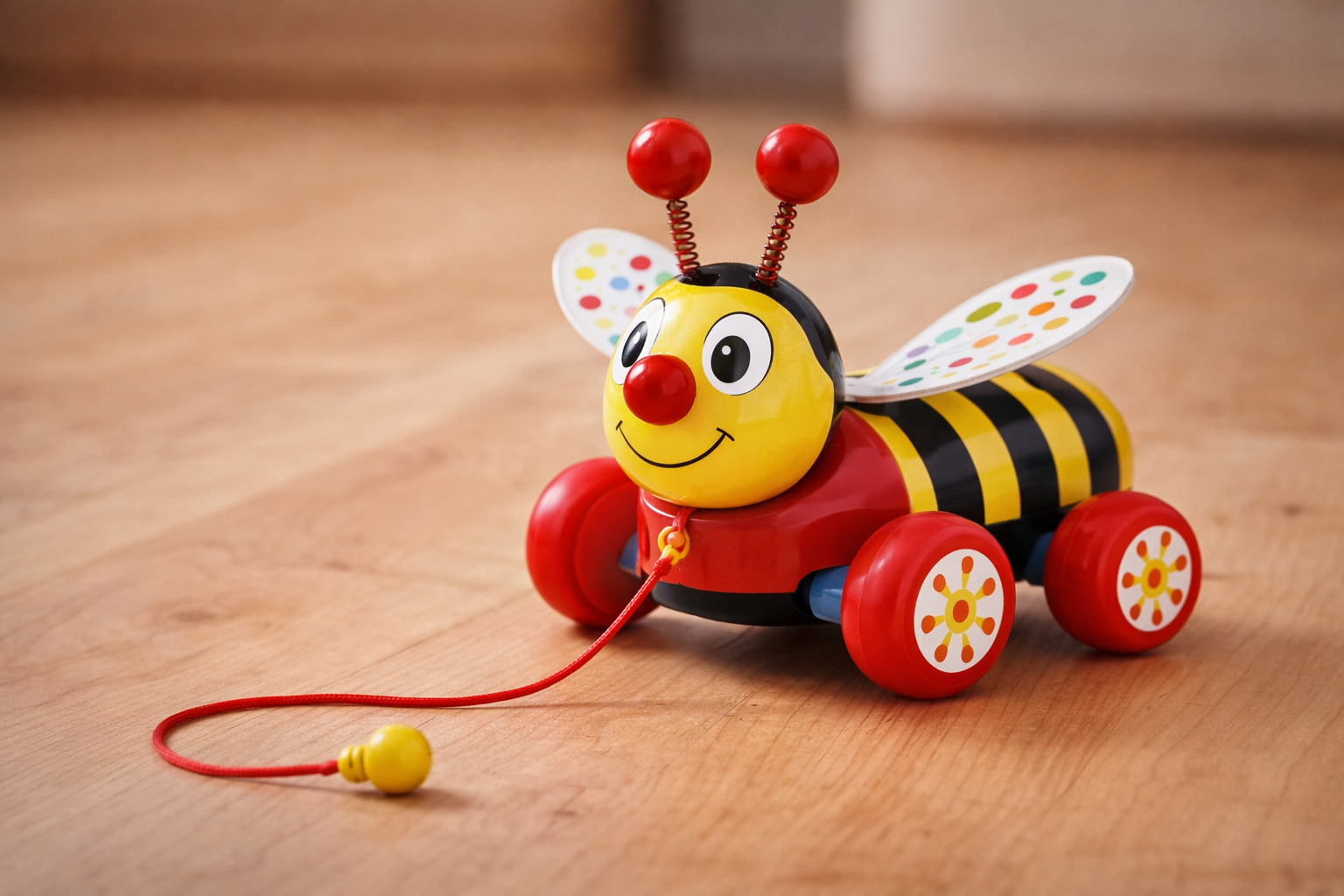
The 1940s: Buzzy Bee
No list of Kiwi toys is complete without the iconic Buzzy Bee. Designed by Maurice Schlesinger in Auckland in the late 1930s, the first Buzzy Bees were produced around 1940. This pull-along wooden bee, with its rotating wings and satisfying clicking sound, became a nursery staple during the post-war baby boom. When Hec Ramsey took over production around 1943, the Buzzy Bee’s place in Kiwi hearts was sealed.
In 1983, the toy received a royal endorsement when a photo of baby Prince William playing with a Buzzy Bee went around the world. Today, it’s recognised as one of the most well-known items of Kiwiana, featured in museums, on postage stamps, in books, and even on the keel of an America’s Cup yacht. If you grew up in New Zealand, chances are you learned to walk by pushing a Buzzy Bee.
The 1950s: Homegrown Creativity
In the 1950s, many Kiwi kids still played with handmade toys. With the post-war economy booming but imports still limited, resourceful parents crafted dolls, wooden cars, and marbles from whatever was available. The decade also saw the rise of Meccano and construction sets that would keep future engineers busy for hours.
The Playground Crazes (1960s–1980s)
The 1960s: Marbles and Knucklebones
Long before fidget spinners, Kiwi kids were mastering ancient games. Marbles, dating back to the Romans and Egyptians, were a playground staple. So too were knucklebones—a game of picking up small objects while tossing one in the air, which dates back to ancient Greece. These simple games taught hand-eye coordination and settled countless playground hierarchies.
The 1970s: Skateboards and Stilts
The 70s saw Kiwi kids taking to the streets on skateboards—rudimentary wooden boards with clay wheels that rattled over every crack. Meanwhile, stilts made from fence posts and blocks of wood let kids tower over their friends.
The 1980s: The Rubik’s Cube
The Rubik’s Cube took New Zealand by storm. This colourful puzzle frustrated and fascinated Kiwi kids in equal measure. Those who could solve it (or were smart enough to peel the stickers off) were playground legends.
1983: Cabbage Patch Kids
The frenzy hit our shores with full force. Parents lined up outside stores, and having a Cabbage Patch Kid with your own adoption papers was the ultimate status symbol.
1984: The Super Soaker
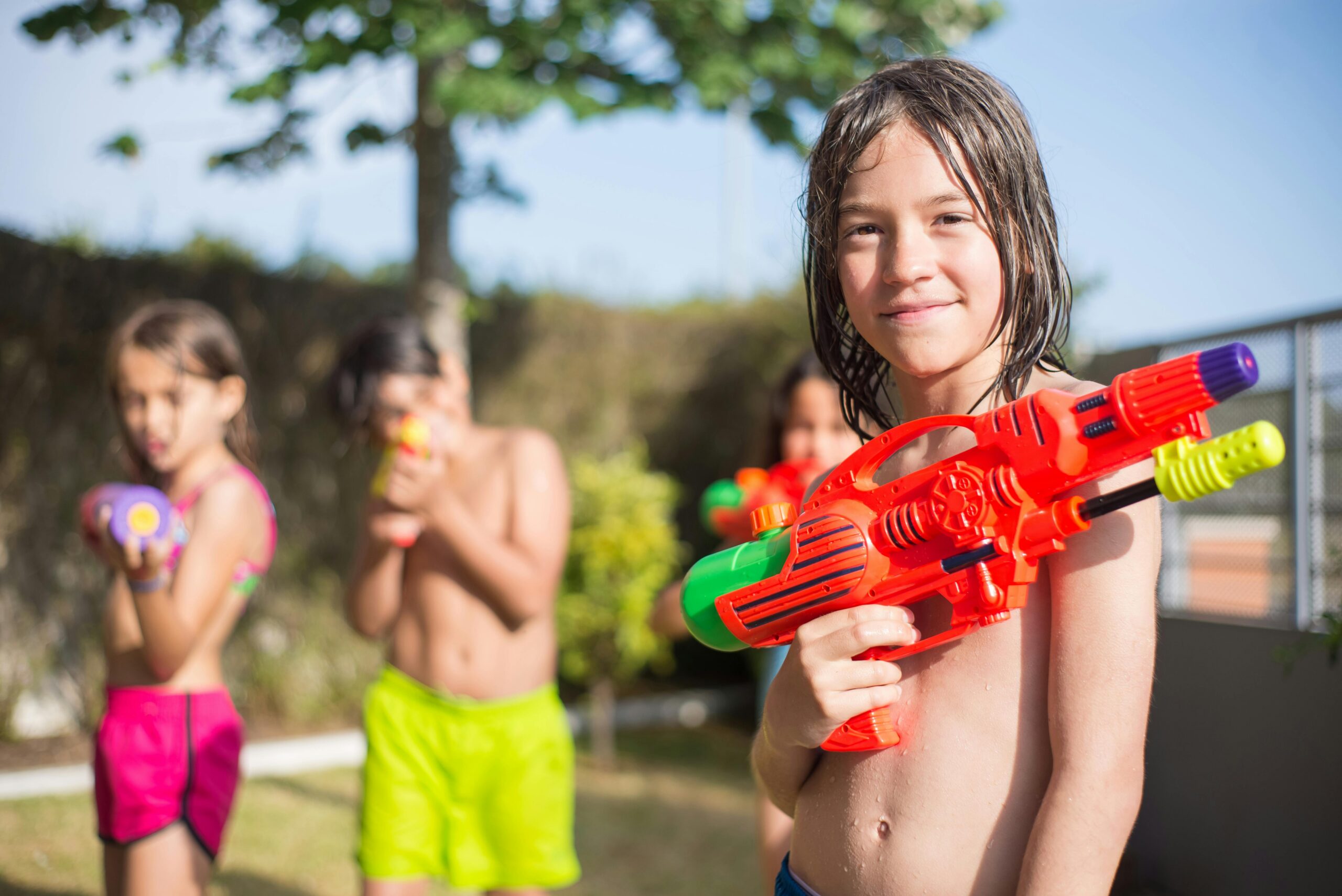
Summer holidays were never the same. Water fights escalated from squirt guns to full-scale backyard warfare.
The Golden Age of Crazes (1990s)
1990–1992: Pogs
Remember milk caps? Pogs—or “pogs”—took over every Kiwi schoolyard. Collecting the cardboard circles, slammin’ with your heavy slammer, and winning your mate’s entire collection (until the teachers banned them) was a rite of passage.
1993: BeyBlades
The spinning top battles that launched a thousand playground tournaments. Kids would customise their BeyBlades and face off in makeshift arenas.
1995: Tamagotchi
The tiny digital pet that fit in your pocket—and beeped endlessly demanding attention. Kiwi kids learned responsibility by keeping their virtual pet alive (or learned about grief when they inevitably forgot to feed it). Teachers across New Zealand confiscated these beeping distractions by the dozen.
1996: The Yak Bak
Record your voice, play it back in chipmunk mode, annoy your parents. Simple. Perfect.
1997: Furbys
The furry creatures that “spoke” their own language, Furbish, were the Christmas must-have. They’d wake up in the middle of the night chattering, terrifying parents nationwide.
1998: Pokémon Cards
The phenomenon that swept the globe landed hard in New Zealand. Trading, battling, and protecting your holographic Charizard became serious business.
1999: Scoobies and Loom Bands
First came Scoobies—plastic laces you could weave into keychains and bracelets. Then came Loom Bands, taking over every classroom as kids created colourful rubber band jewellery.